
Use Mocchi to Separate Similar Japanese Vocabulary Words

When two Japanese words blur together, ask Mocchi for contrasting situations instead of another pair of broad English glosses. Identify the action or relationship each word describes, then make a small card that preserves the difference you keep missing.

Mocchi separates two similar Japanese words by the situation and action each one describes
What you need to know

Use Mocchi to Separate Similar Japanese Vocabulary Words

Similar-looking compounds, related meanings, and overlapping translations can all create vocabulary confusion. Repeating a dictionary gloss may not resolve it if both items still sound like the same idea in your familiar language. Start with a specific pair and two ordinary situations. Ask what makes each word appropriate there, then test a changed example. Mocchi can help build practice around the contrast rather than filling the review queue with two cards whose prompts are too vague to answer reliably.

Choose one confusing pair rather than a long synonym list.

Compare the situations in which each word fits.

Keep the distinguishing clue on the card.

Test a new context before adding more words.

Name the exact pair and why it feels confusing

Tell Mocchi which words you mix up and the context in which the confusion appears. A visual mix-up between compounds may need a different exercise from a semantic overlap between near-synonyms. Showing your first answer or explaining your reasoning helps the tutor choose a useful contrast instead of giving a long general definition of each word.

Limit the comparison at first. You do not need every related expression in the language to understand one pair. A clear distinction between two useful items is a stronger foundation than an impressive chart whose examples all remain difficult to remember.

Compare a reservation with a promise or arrangement

予約 is useful for a reservation or booking, while 約束 concerns a promise or arrangement between people. Compare a restaurant reservation with a promise to a friend. Ask Mocchi to explain which action each situation describes and then vary the setting. These examples establish a practical starting contrast without claiming that a single English word captures every use.
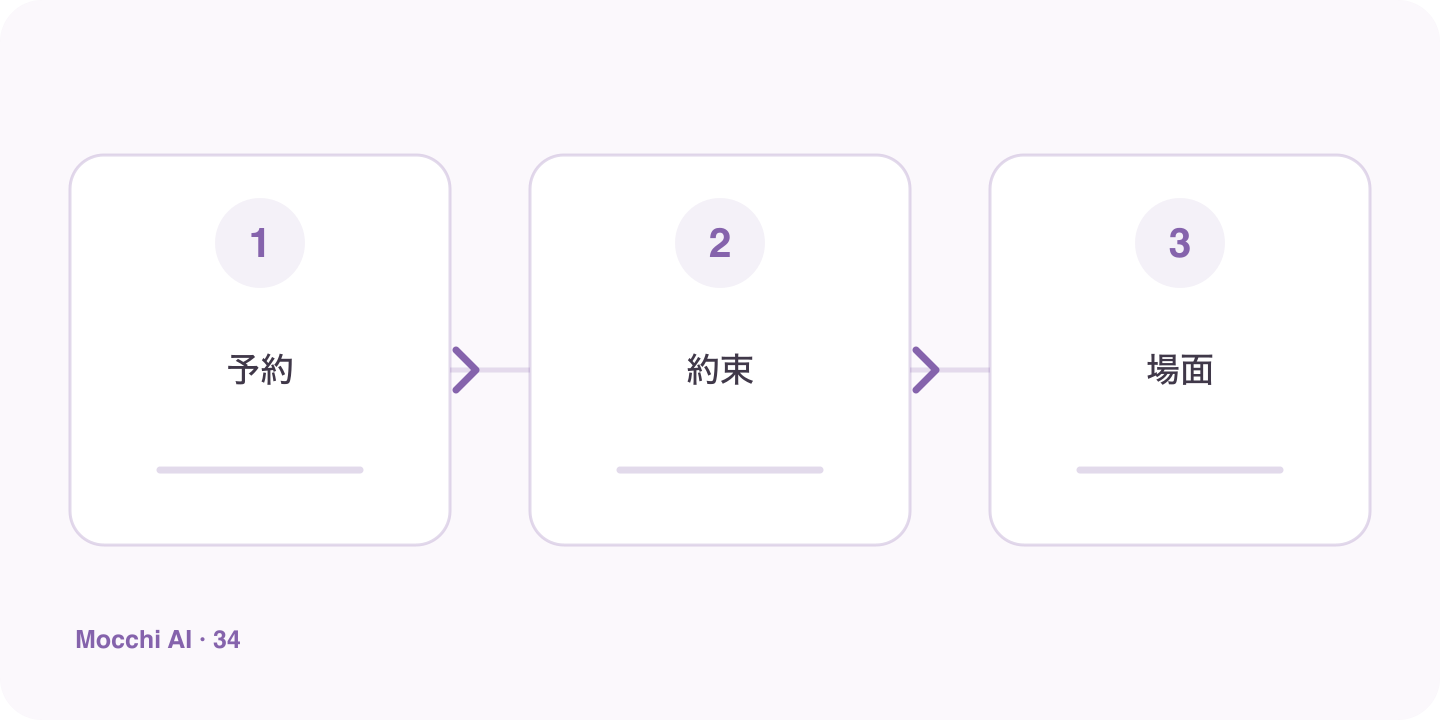
Two close vocabulary items are compared through meanings, example situations, and a fresh choice
A contrast card should preserve the clue that distinguishes the words, not only list two similar translations.
JapaneseRomajiMeaning
レストランを予約しました。Resutoran o yoyaku shimashita.I made a restaurant reservation.
友達と約束しました。Tomodachi to yakusoku shimashita.I made a promise or arrangement with a friend.

Ask for the clue before another definition

After seeing two examples, state what makes the choice different. Is the situation about booking a service, committing to another person, describing a state, or performing an action? A concise clue gives you something to retrieve in the next exercise. If the distinction remains vague, ask for a more concrete pair rather than repeating the same definitions in longer wording.

Create cards that test one intended decision

A card asking only for a broad translation such as arrangement may not tell you which word is intended. Add a short situation or ask which word fits a specific action. Keep the answer focused and include the reason on the back. Mocchi can suggest flashcards, but read the proposed prompts before saving them so the cards reflect the distinction you actually need.

Use a fresh example to decide whether the pair is clearer

Choose the word in a new situation without reopening the original examples. Explain your reason before checking the answer. If the same confusion returns, revise the clue or make the contrast smaller. If it is reliable, add occasional mixed review rather than keeping both words isolated forever. The aim is choosing the useful vocabulary in context, not simply recognizing two separate definitions.

Key points

A practical way to improve

Choose two words you confuse and tell Mocchi which translations make them seem identical. Ask for one clear situation for each, then explain the difference in your own words. Request a new situation and choose the appropriate word before checking. If you make flashcards, include enough context to make the answer specific and avoid a prompt that could reasonably accept both items.

  1. 1

    Choose one clear goal

    Focus each session on a situation or skill you can actually use.

  2. 2

    Practice actively

    Say complete answers aloud instead of only reading or recognizing Japanese.

  3. 3

    Review and repeat

    Keep useful corrections and revisit the same skill until it feels natural.

FAQ

Frequently asked questions

Should I memorize several near-synonyms together?

Only if you can keep their differences clear. Begin with the pair causing a real problem and use contrasting situations. A large list of related words may add confusion before the first distinction is usable.

Why are two English glosses not enough?

Translations can overlap even when the Japanese words fit different actions or contexts. A situation and an example show the usage clue that a brief gloss may omit.

What makes a contrast flashcard fair?

The prompt should contain enough information for a specific answer. If both words could fit, add context or change the question so the card tests the intended distinction rather than rewarding a guess about which word you meant.

Keep the clue that separates the words

Use Mocchi to make a meaningful contrast and turn the difficult choice into focused practice.