

Practice N5-Style Grammar Questions With Mocchi AI

N5-style grammar practice is more useful when you read the whole prompt and explain the clue behind the answer. Ask Mocchi for a small beginner set, attempt it before feedback, and use missed items to choose one focused follow-up.

Mocchi highlights a time or event clue in a beginner Japanese grammar question before the learner selects an answer
What you need to know

Practice N5-Style Grammar Questions With Mocchi AI

A beginner can select an option because its ending looks familiar while overlooking the time, action, or relationship in the sentence. A short practice set gives you a chance to make that reasoning visible. Keep vocabulary manageable so the grammar decision is interpretable. Mocchi's exercises can support preparation, but they are original learning activities rather than official JLPT questions or a guarantee about your eventual examination result.

Read the complete sentence before selecting.

Check key time and event clues.

Separate vocabulary gaps from grammar decisions.

Review a new example after the explanation.

Choose a small target and keep the words manageable

Tell Mocchi the beginner topic you want to practice and whether any vocabulary is unfamiliar. A focused set can help you understand a new contrast, while a mixed set can check whether familiar patterns remain available. Choose the purpose before treating the score as a broad summary of your ability.

Keep the first practice short enough to review. If you answer many items and never inspect the mistakes, you may repeat the same shortcut without noticing it. A few questions with clear reasoning can provide a more useful next lesson.

Use the time clue with the intended event

In a simple report about a completed event, 昨日、映画を見ました connects yesterday with watching a film. A different sentence about tomorrow changes the intended time relationship. Ask Mocchi to explain the clue rather than saying only that one ending is correct. Then change the activity so the decision does not remain attached to the word film.
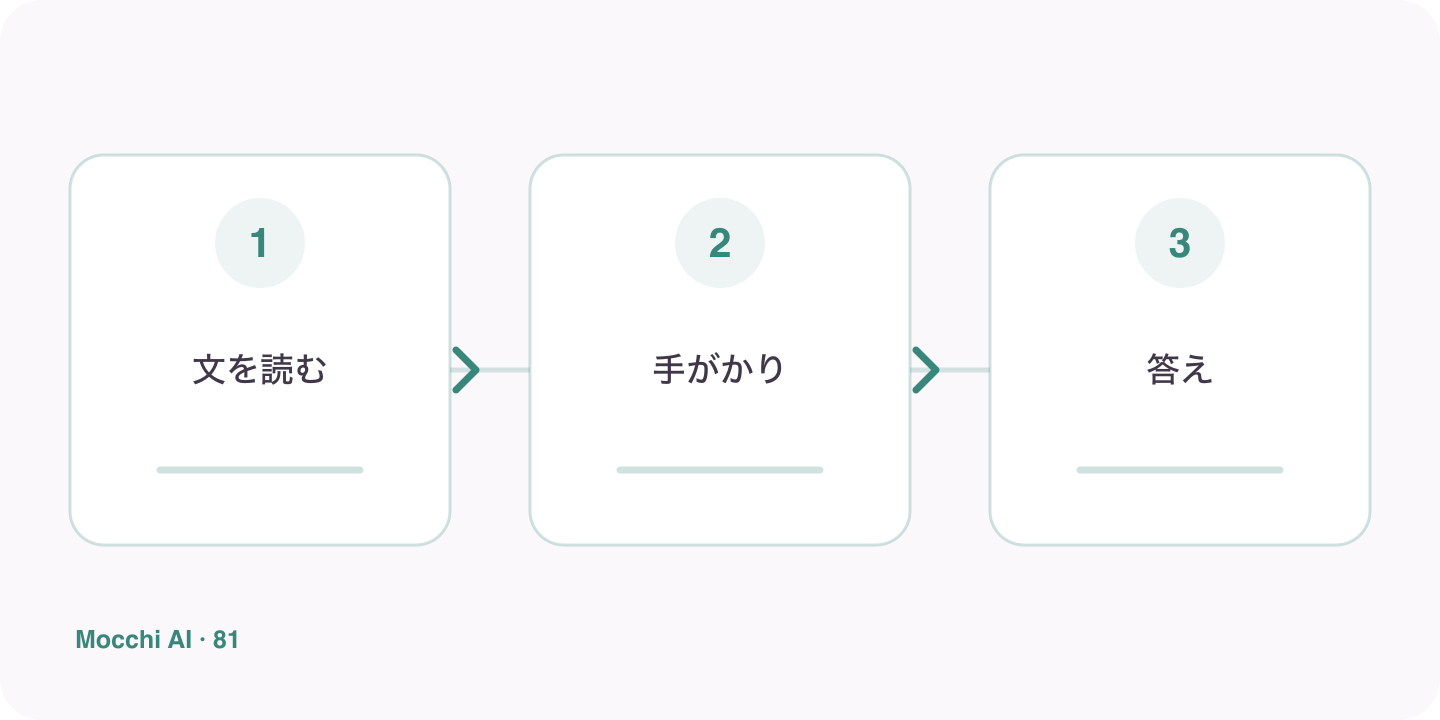
The full prompt supplies a clue, which supports a form choice and a fresh follow-up question
A practice answer should come from the sentence's meaning, not the position of a familiar-looking option.
JapaneseRomajiMeaning
昨日、映画を見ました。Kinō, eiga o mimashita.I watched a film yesterday.
明日、映画を見ます。Ashita, eiga o mimasu.I will watch a film tomorrow.

Explain one answer before reading the model reason

State what you noticed and why it led to the option. A correct guess and a supported answer are different evidence. If the reason is inaccurate, review the point even when the selected option happened to match the expected answer. This makes the practice more honest and helps Mocchi choose a better follow-up.

Review the mistake with changed details

Ask for another example that tests the same relationship with different familiar words. Avoid memorizing the answer position or the original sentence's visual layout. If the error repeats, identify whether the weak step is recognizing the form, interpreting the clue, or retrieving vocabulary. The next task should address that step rather than automatically increasing the set size.

Keep exam familiarization separate from tutor practice

Use official JLPT information and sample material to understand the test you intend to take. Mocchi can help with explanations and targeted practice around your learning goal, but a small generated set is not the same as full examination preparation. Include the other skills and formats required for your goal, and avoid treating one encouraging result as proof that every section is ready.

Key points

A practical way to improve

Ask Mocchi for a small N5-style grammar set on a recent topic. Answer without opening notes and explain the clue for one item. After feedback, choose a missed point and try another question with changed vocabulary or time. If the key verb was unknown, learn it in a simple phrase before judging the grammar result. Use official test materials separately to become familiar with the actual exam.

  1. 1

    Choose one clear goal

    Focus each session on a situation or skill you can actually use.

  2. 2

    Practice actively

    Say complete answers aloud instead of only reading or recognizing Japanese.

  3. 3

    Review and repeat

    Keep useful corrections and revisit the same skill until it feels natural.

FAQ

Frequently asked questions

Are Mocchi's questions official JLPT items?

No. Treat them as original practice. Use official JLPT sources for the examination format and published examples, and do not describe a generated set as an official test.

What if I miss the answer because I did not know a word?

Check the word in context before repeating the grammar drill. The result may reveal a vocabulary gap rather than a failure to understand the target pattern.

Can a short practice score predict my pass result?

No. A small set covers limited material under particular conditions. Use the error pattern to guide study rather than converting the result into a guaranteed examination outcome.

Make the beginner grammar choice understandable

Use Mocchi for focused practice and explanations that lead to another attempt, not only an answer key.