
Connect Your JLPT Goal to Japanese You Can Use With Mocchi

A JLPT goal can organize your study, while a practical task shows how the language supports communication beyond a question set. Use Mocchi to connect one exam-related point to a short message, reading purpose, or spoken exchange without assuming the activities measure the same ability.

Mocchi connects an exam-related language point to a practical message and a spoken exchange
What you need to know

Connect Your JLPT Goal to Japanese You Can Use With Mocchi

Grammar and vocabulary studied for an exam can become more useful when you recognize them in a message or retrieve them in your own response. At the same time, a test goal and a communication goal remain different. The JLPT does not directly test spoken conversation or free writing. Keep appropriate exam preparation and add practical use according to your own needs. Mocchi can help connect these activities around your level, interests, and recurring difficulties.

Keep the exam goal and communication goal explicit.

Use one learned point in a practical task.

Practice output separately from recognition.

Let the new difficulty guide the next review.

State the two goals without forcing them into one score

You may want to pass a particular exam and also arrange plans with friends, write a request, or discuss an interest. Tell Mocchi both goals and the time available. The plan can connect language across them while preserving the difference between exam tasks and practical communication. This gives each session a clearer purpose.

Do not use a single success to claim every skill improved equally. Understanding a written explanation, selecting an option, and answering aloud are different performances. A personal learning plan can use evidence from each without pretending that one replaces all the others.

Move a familiar grammar point into a request

A pattern studied in a question set can become part of an everyday message, such as asking someone to explain again. Write the request, identify the form, and explain why it fits the situation. Ask Mocchi to check the intended meaning before suggesting more advanced wording. A small usable sentence can make the studied point feel more connected to life outside the exercise.
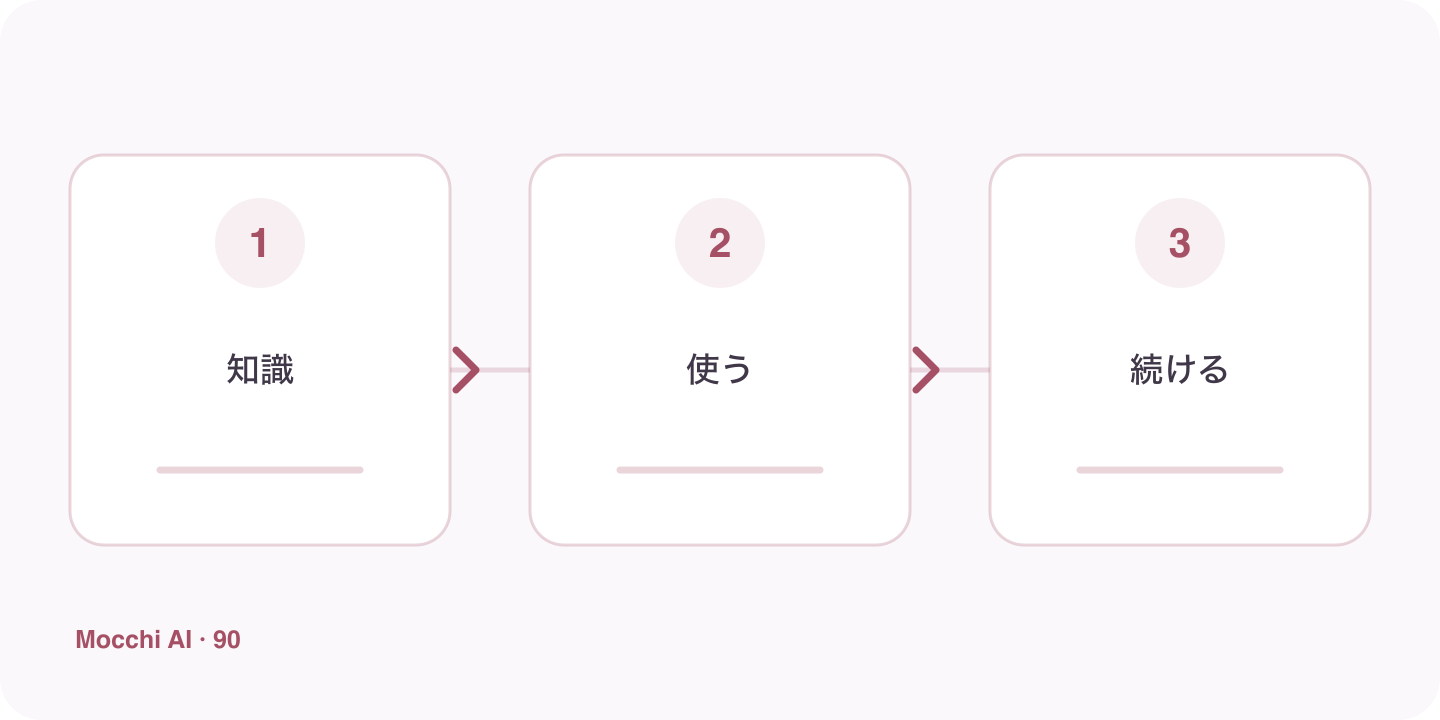
A learned pattern moves from recognition to a real-purpose response and later review
Exam practice and practical communication can support each other without being treated as identical measurements.
JapaneseRomajiMeaning
もう一度説明していただけますか。Mō ichido setsumei shite itadakemasu ka.Could you explain it once more?
例を見せてください。Rei o misete kudasai.Please show me an example.

Use an output task to reveal a different weak link

If you cannot retrieve the word or form while making the response, name that difficulty. It may not have appeared in recognition practice. Ask Mocchi for a smaller prompt or a short contrast, then try again with changed details. This does not invalidate your earlier exam practice; it identifies another skill that needs its own attempt.

Carry spoken goals into the speaking feature

Use AI Sensei or an available Roleplay situation when the target is an extended spoken exchange. Prepare with Mocchi and return afterward for explanation or targeted review. Keep dedicated exam-format listening work separate where required. The activities can support one another while retaining their own purposes and conditions.

Let practical use keep the plan personal

Choose examples connected to interests and situations you actually care about, using fictional details when preferred. After each attempt, report what remained difficult and select one next step. Mocchi's combination of planning, explanation, review, and feature recommendations is useful when these observations shape the routine, making exam-related language easier to understand and more rewarding to use beyond a score.

Key points

A practical way to improve

Choose a grammar pattern or word from recent JLPT-style practice. Ask Mocchi for a short everyday situation where it is useful, then write or prepare a response of your own. If speaking matters, try the response in AI Sensei or Roleplay. Return with one difficulty and request a fresh example, keeping the practical result separate from any claim about official test readiness.

  1. 1

    Choose one clear goal

    Focus each session on a situation or skill you can actually use.

  2. 2

    Practice actively

    Say complete answers aloud instead of only reading or recognizing Japanese.

  3. 3

    Review and repeat

    Keep useful corrections and revisit the same skill until it feels natural.

FAQ

Frequently asked questions

Does a JLPT level describe every communication skill?

It is a useful qualification with a defined scope, not a direct test of every speaking and writing activity. Describe your practical abilities and goals separately when choosing lessons.

Will practical output replace exam question practice?

Not by itself. Keep practice appropriate to the actual exam formats while adding output tasks for the communication skills you want to develop beyond them.

Why can I recognize a pattern but struggle to use it?

Recognition and independent production make different demands. Keep the language familiar, attempt a small response, and use the difficulty to choose focused support rather than assuming more recognition questions will automatically solve it.

Give the studied language a useful job

Use Mocchi to connect preparation with a message or exchange that matters to your own learning goal.