
Practise Japanese: Answer Before Reopening Your Notes

A model can be useful preparation, but it can also hide which parts you can retrieve yourself. This challenge closes the notes for one small answer, then reopens them to identify the exact support you needed. The aim is useful information, not a perfect performance.

What you need to know

Practise Japanese: Answer Before Reopening Your Notes

Prepare a fictional answer about a weekend activity and its reason. You will attempt it once without the full prepared dialogue, compare the meaning and choose a small review target.

Prepare a manageable answer.

Close the complete model.

Attempt before revealing.

Review the specific missing item.

Choose an answer small enough to attempt

A weekend activity and one reason are enough. A long speech may make it difficult to identify the actual retrieval problem. Ask Mocchi to help limit the task before closing the notes.

Understand the sample answer first

Make sure you can explain the meaning. Copying sounds you do not understand does not give a useful basis for independent practice.

JapaneseRomajiMeaning
週末はよく散歩します。Shūmatsu wa yoku sanpo shimasu.I often take walks on weekends.

Close the sample answer and attempt the answer

Use the question as the cue. If a word disappears, try a simpler expression or mark the gap. Do not reopen the script before giving yourself a chance to retrieve.

JapaneseRomajiMeaning
気分転換になるからです。Kibun tenkan ni naru kara desu.Because it gives me a refreshing change of pace.

Compare meaning before wording

Your answer need not match the sample answer word for word. Check whether the activity and reason remained clear. Then identify one missing or unclear item rather than label the whole attempt bad.
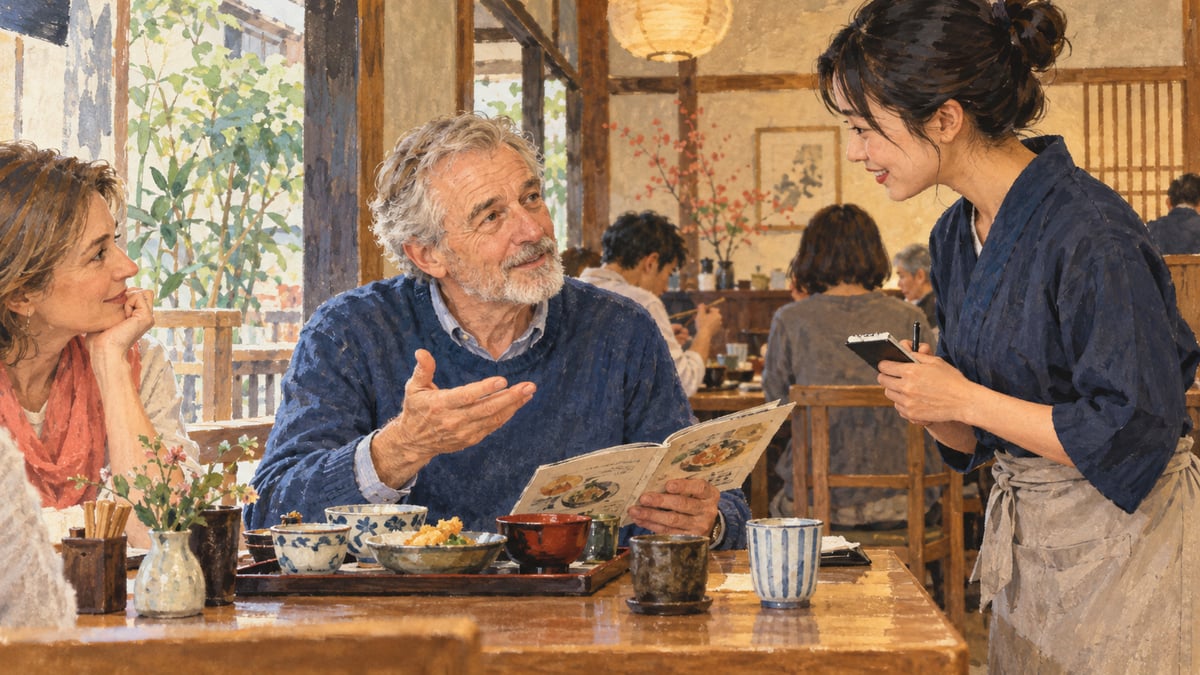
The learner answers a fresh follow-up with a thoughtful expression and no script
An independent attempt shows which support would be useful next.

Try another question after review

A suitable AI Sensei exchange can ask when you walk or who goes with you. The new question makes you select language again. Do not answer why if the teacher asked when.

Keep a small record of support

Note whether you needed a keyword, a repeated question or a full model. Mocchi can turn the specific gap into a short quiz or card. Compare current practice access if this prepare-attempt-review sequence fits your ongoing routine.

Key points

A practical way to improve

Prepare two sentences about a fictional weekend walk. Cover them and answer what you do and why. Mark what you recalled, reopen the notes and choose one item for later retrieval.

  1. 1

    Choose one clear goal

    Focus each session on a situation or skill you can actually use.

  2. 2

    Practice actively

    Say complete answers aloud instead of only reading or recognizing Japanese.

  3. 3

    Review and repeat

    Keep useful corrections and revisit the same skill until it feels natural.

FAQ

Frequently asked questions

Must I hide every support?

Begin with a manageable reduction, such as closing the full prepared dialogue while keeping topic keywords.

Is a mistake a failed session?

It can reveal a specific useful review target.

Should I repeat the exact answer indefinitely?

After focused review, try a changed question or detail.

Try the answer before looking

Use one small attempt to choose a focused next step.