
Update Your Japanese Level in Mocchi Without Starting Over

When your Japanese improves, give Mocchi evidence of what has changed rather than only selecting a higher level. Keep successful parts of your learning plan and adjust the tasks that no longer challenge you appropriately.

Mocchi compares three small skill checks before selecting an appropriate next Japanese exercise
What you need to know

Update Your Japanese Level in Mocchi Without Starting Over

Language ability is uneven. You may read an N4-style passage comfortably while hesitating over a simple spoken answer, or recognize advanced vocabulary without being able to use it. A single level label is a convenient starting point, not a complete diagnosis. To update your learning context, compare a few related tasks, describe the difference, and ask the tutor to change the relevant activity. That is more informative than restarting every lesson at a new level.

Use examples of successful and unsuccessful tasks.

Distinguish recognition from independent production.

Adjust the next exercise before replacing a whole plan.

Retain review for old material that is not yet stable.

Replace a label with a small learning profile

Instead of saying only 'I am N3 now,' describe an observable performance: you can follow a short everyday text, identify the writer's opinion, or answer a familiar question without translating. Then name the situation where that ability stops working. The boundary is useful. A tutor can select a more precise activity when it knows that long clauses are manageable but unfamiliar vocabulary still interrupts your reading.

Keep the description modest and testable. Finishing a textbook chapter, maintaining a streak, or watching a show with subtitles can all be worthwhile activities, but none automatically proves that you can retrieve the same language independently. Use them as context, then add a task you completed without help.

Check recognition, recall, and production separately

Read a sentence such as 昨日買った本を読みました: 'I read the book I bought yesterday.' First identify which book is meant. Next explain the phrase 昨日買った本 without looking at a translation. Finally describe a different object using the same relative-clause pattern. Each step asks for a different kind of control, so a mixed result gives you a better practice target than one overall score.
Reading recognition, unaided recall, and sentence production are compared to choose a targeted lesson
An updated level is more useful when it names what you can do and where support is still needed.
JapaneseRomajiMeaning
昨日買った本を読みました。Kinō katta hon o yomimashita.I read the book I bought yesterday.
友達にもらった本です。Tomodachi ni moratta hon desu.It is a book I received from a friend.

Change the right part of the lesson

If reading is comfortable but production is slow, adding a denser passage may not solve the problem. Keep the language familiar and ask for a short response with one changed detail. If you can produce the sentence but misunderstand a contrast, request two near examples and explain why they differ. Matching the activity to the weak step makes the adjustment purposeful rather than simply more difficult.

Keep old material in the review cycle

A higher target does not make earlier language irrelevant. Everyday particles, common verbs, and basic politeness still appear in advanced texts and conversations. Retain a small mixed review so you can see whether these foundations remain available when attention is on meaning. Ask Mocchi to include an occasional earlier weak point in a new context, especially if you previously answered it correctly only after a hint.

Review a plan adjustment before relying on it

Tell Mocchi whether you want a one-session change or an update to your broader study plan. If the exam goal, available time, and completion history are still correct, say so. Read the proposed next steps and check that they match the evidence you supplied. The best adjustment makes tomorrow's session clearer; it should not produce a larger schedule merely because your level label moved upward.

Key points

A practical way to improve

Choose a short passage you can understand. Explain its main idea without looking, then make a new sentence with one expression from it. Note which step needed help. Tell Mocchi the result and request a lesson that preserves the comfortable reading difficulty while practicing the weaker output skill. Repeat a comparable task several days later before deciding whether another increase is useful.

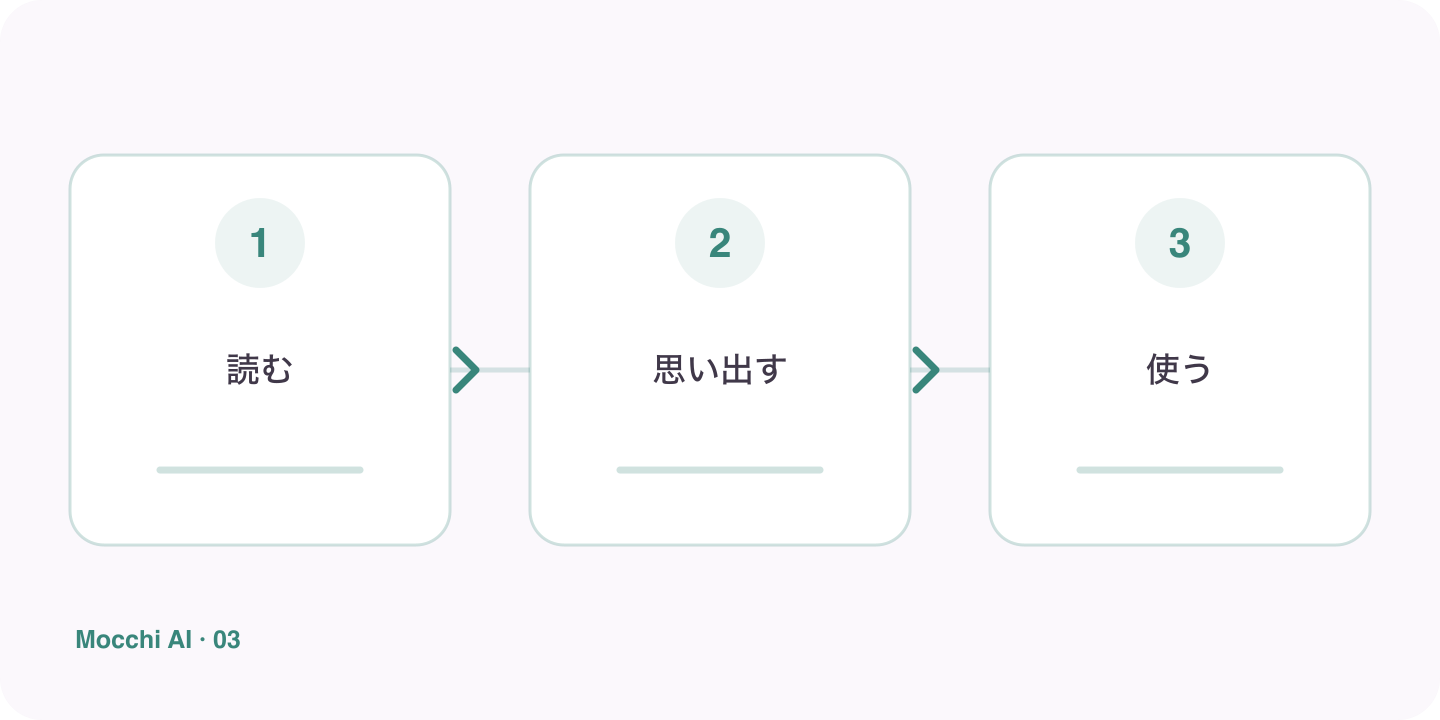
  1. 1

    Choose one clear goal

    Focus each session on a situation or skill you can actually use.

  2. 2

    Practice actively

    Say complete answers aloud instead of only reading or recognizing Japanese.

  3. 3

    Review and repeat

    Keep useful corrections and revisit the same skill until it feels natural.

FAQ

Frequently asked questions

Does passing a harder quiz mean I should change my level?

It is evidence about that quiz, not proof that every skill has improved equally. Try a fresh example and an unaided response before making a broad change to your study plan.

Will I lose completed work if I ask for harder lessons?

Ask for an adjustment to the existing plan and review what the proposed change includes. A change in difficulty does not mean that you need to repeat completed lessons or abandon useful review of earlier material.

What if my listening is much weaker than my reading?

State the imbalance directly. Ask for listening or spoken-response practice at an easier level while keeping reading material appropriately challenging. You do not have to force every skill into the same difficulty band.

Show Mocchi what has changed

Bring one example of a task that is easy now and one that still needs support, then adjust the next step together.