

Why Harajuku and Omotesandō belong on your Tokyo list
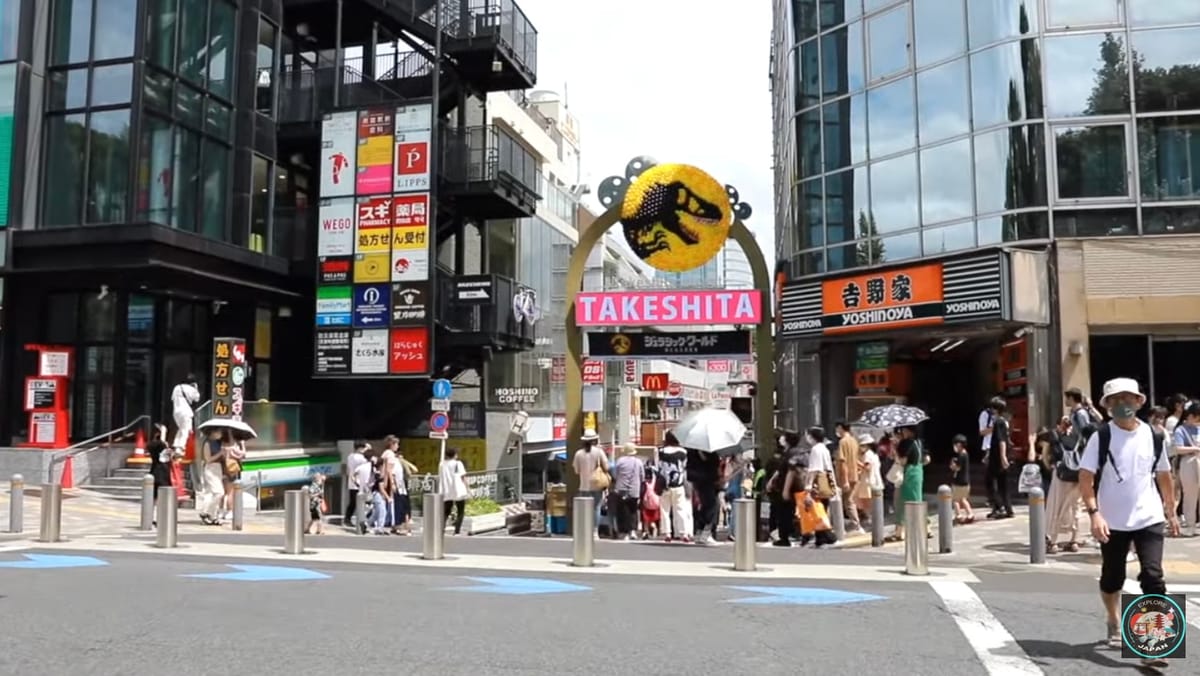
Harajuku, 原宿, literally a lodging on the plain, was once a small post town on a road out of Edo. Today it is the name everyone uses for the area around Harajuku Station, officially Jingūmae, and it has been a stage for Japanese youth fashion for decades. You may still see gothic lolita dresses, punk boots and colourful decora accessories on Takeshita Street, though the everyday crowd is now mostly shoppers, school groups and visitors from all over the world.
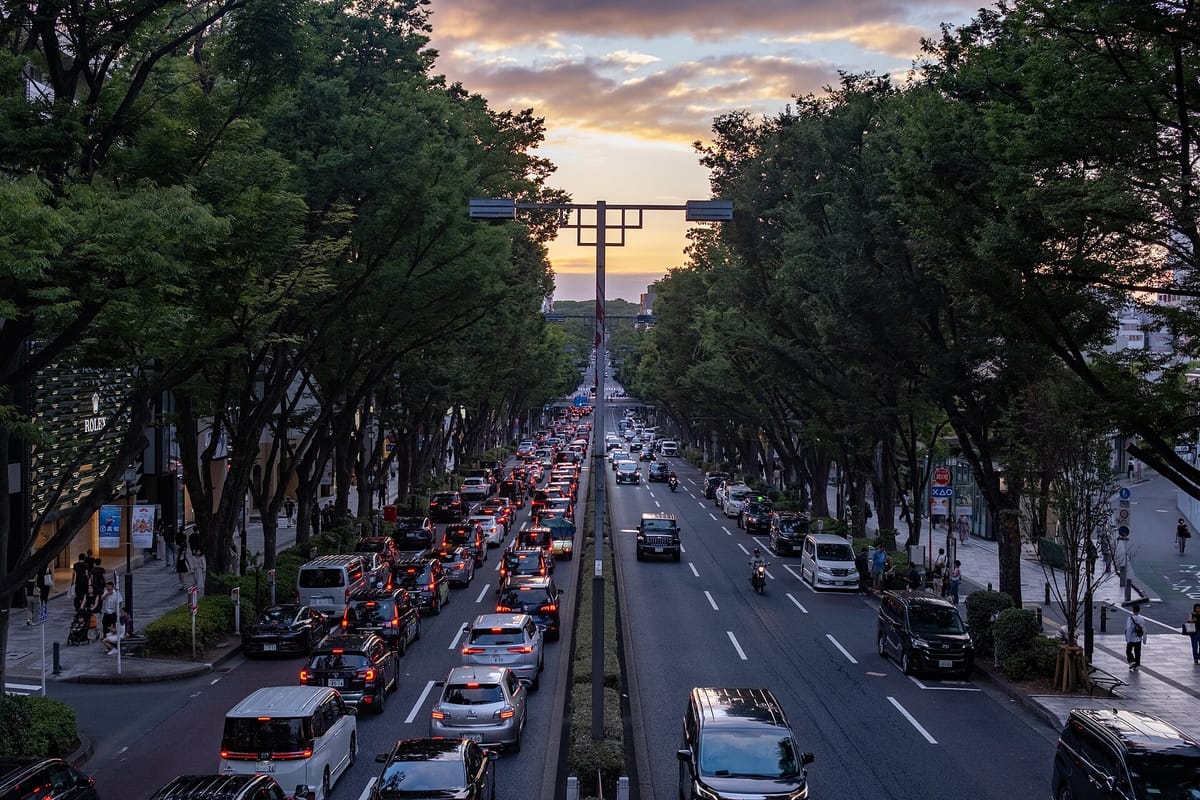
Omotesandō has a different rhythm. The broad avenue runs downhill from the Meiji Jingū entrance to Aoyama-dōri, shaded by zelkova trees, with pavements wide enough to stroll. Its flagship stores were designed by famous architects: Omotesando Hills by Tadao Ando, Tod's by Toyo Ito and Dior by SANAA. Even if you buy nothing, it is a walk through contemporary Japanese architecture.
For a Japanese learner, this is the easiest place in Tokyo to practise the language of shops. Staff greet you with irasshaimase, the fitting room is always a short request away, and the signs, sizes and price tags are in the same few words everywhere in Japan.
Getting there: Harajuku, Meiji-jingūmae and Omote-sandō stations
JR Harajuku Station, on the Yamanote Line, is a few minutes from Shinjuku or Shibuya. Its new station building opened in 2020. For Takeshita Street, leave by the Takeshita Exit, Takeshita-guchi: the street begins directly across the road. The main exit faces Omotesandō and the entrance to Meiji Jingū.
Underground, Meiji-jingūmae Station on the Tokyo Metro Chiyoda and Fukutoshin lines is signed as 明治神宮前〈原宿〉, Meiji-jingūmae 'Harajuku', and its exits come up at the crossing of Omotesandō and Meiji-dōri, close to Laforet and Cat Street. Omote-sandō Station, on the Ginza, Hanzōmon and Chiyoda lines, is at the Aoyama end of the avenue. A good plan is to arrive at Harajuku, walk Takeshita Street, cut across to Omotesandō, and continue on foot down Cat Street to Shibuya.
| Japanese | Romaji | Meaning |
|---|---|---|
| 竹下口はどちらですか。 | Takeshita-guchi wa dochira desu ka. | Which way is the Takeshita Exit? |
| 竹下通りはどう行けばいいですか。 | Takeshita-dōri wa dō ikeba ii desu ka. | How do I get to Takeshita Street? |
| 表参道駅まで歩いて何分くらいですか。 | Omote-sandō-eki made aruite nanpun kurai desu ka. | About how many minutes' walk to Omote-sandō Station? |
| キャットストリートはこの先ですか。 | Kyatto sutorīto wa kono saki desu ka. | Is Cat Street further along here? |
| 渋谷まで歩いて行けますか。 | Shibuya made aruite ikemasu ka. | Can I walk to Shibuya? |
What you will see: from Takeshita Street to Omotesando Hills
The two main streets run roughly parallel, with a web of smaller lanes between and around them. Allow half a day if you want to browse, or two hours for a walk-through with a crepe on the way.
- Takeshita-dōri, 竹下通り: the narrow, busy street of fashion, accessories, sweets and crepe stands, about four hundred metres long.
- Laforet Harajuku, ラフォーレ原宿: a maze-like fashion building at the Omotesandō and Meiji-dōri crossing, full of Tokyo labels.
- Tokyu Plaza Omotesando, known as Omokado, with its mirrored entrance, and its sister building Harakado across the crossing, opened in 2024.
- Omotesando Hills, 表参道ヒルズ: Tadao Ando's long, low shopping complex, opened in 2006 with a spiral ramp inside.
- Kiddy Land, キデイランド: a toy and character shop on Omotesandō, several floors of Japanese and international characters.
- Cat Street, キャットストリート: a winding lane from Omotesandō towards Shibuya, built over a covered river, with boutiques and vintage shops.
- Ota Memorial Museum of Art, 太田記念美術館: a small ukiyo-e museum on a quiet lane just off Omotesandō; it pays only in cash and closes between exhibitions.
Exits, streets and the words on the signs
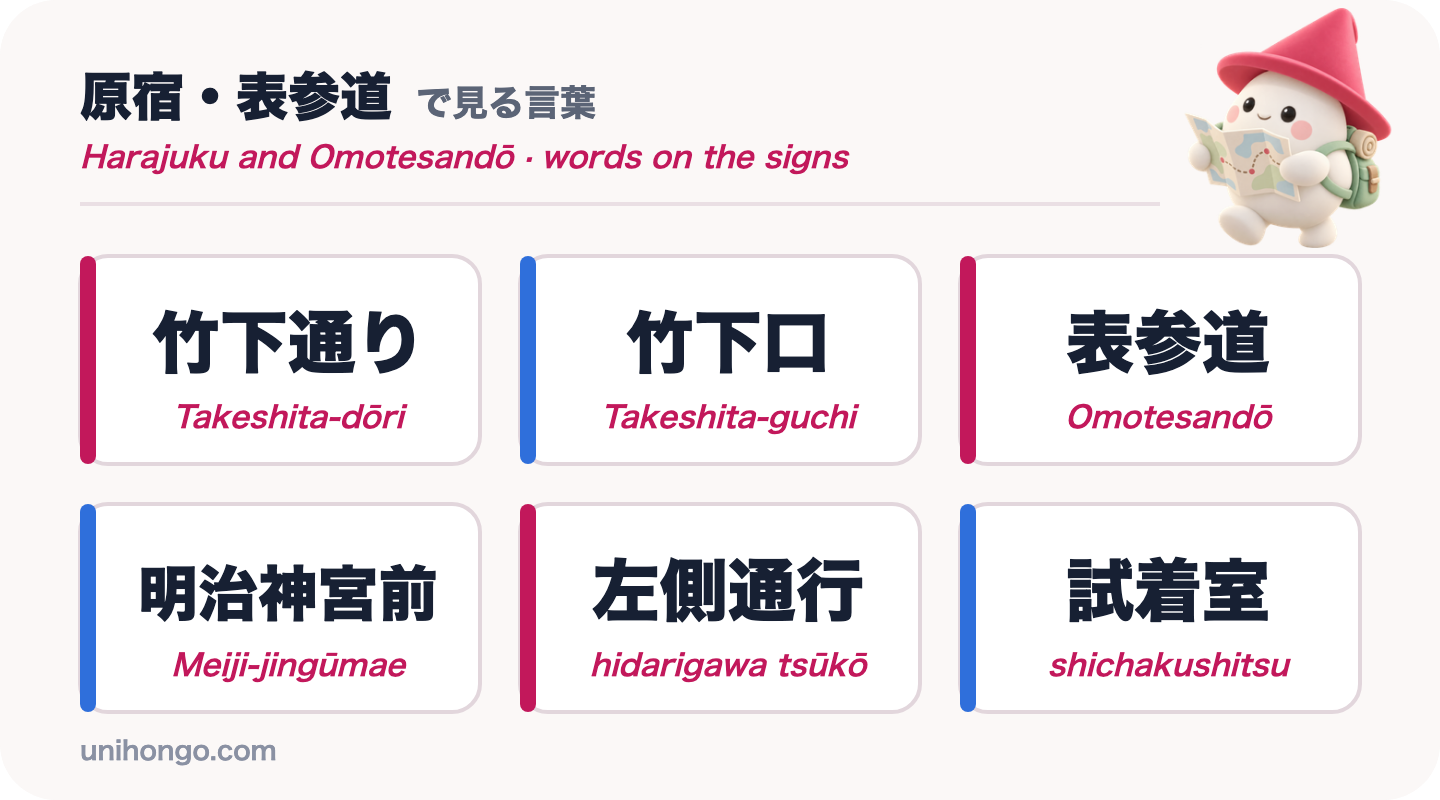
The signs you meet here belong to two worlds: the street and station names that get you around, and the shop words that get you through a purchase. Takeshita Street's own official guide asks visitors to keep left, 左側通行, because the street is so crowded, and it is closed to cars during the daytime shopping hours.
Inside the shops, look for the fitting room, the sale rail and the tax-free sign. Sizes are usually given as S, M and L or as numbers, and staff will often write a price on a calculator if you look unsure.
| Word | Reading | Meaning |
|---|---|---|
| 竹下通り | Takeshita-dōri | Takeshita Street |
| 竹下口 | Takeshita-guchi | The Takeshita Exit of JR Harajuku Station |
| 表参道 | Omotesandō | The avenue: the front approach to Meiji Jingū |
| 明治神宮前 | Meiji-jingūmae | Metro station in front of Meiji Jingū |
| 左側通行 | hidarigawa tsūkō | Keep left |
| 試着室 | shichakushitsu | Fitting room |
| セール | sēru | Sale |
| 免税 | menzei | Tax-free |
| 古着 | furugi | Second-hand clothes |
Shopping Japanese: trying on, sizes and paying
Shop staff in Harajuku speak quickly and politely, and they will say the same few things in every shop: irasshaimase, welcome, when you come in, and a string of questions at the till, such as whether you want a bag and how you will pay. Knowing the questions in advance is half the battle.
Bags are usually charged for, so expect fukuro wa goriyō desu ka, would you like a bag? A simple daijōbu desu, I'm fine, means no. For payment, you will hear o-shiharai wa, and your payment is...? Answer with kādo de, by card, or genkin de, in cash. Tax-free rules change on 1 November 2026, when visitors start paying the full price in the shop and claiming the refund at departure, so carry your passport and ask the shop how it works.
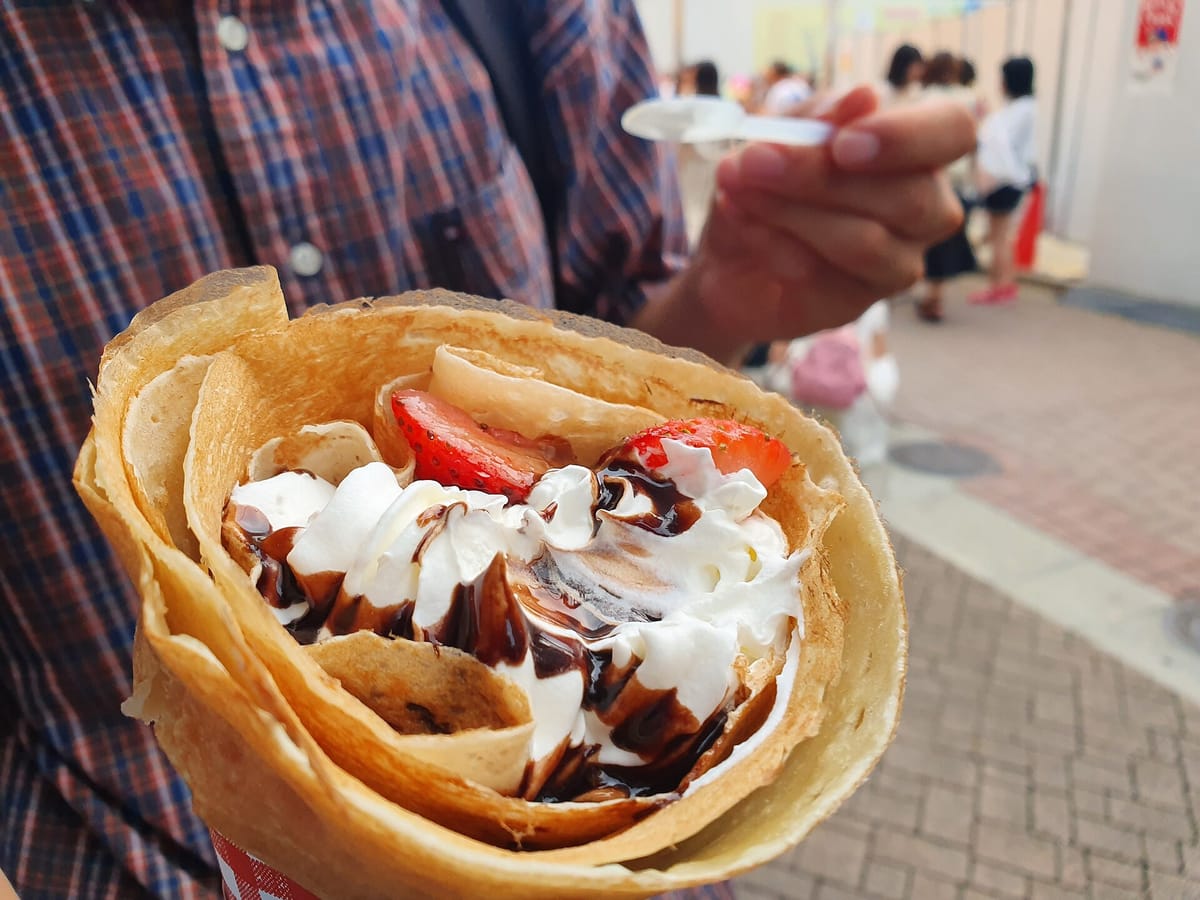
Refuel with a crepe. Takeshita Street's crepe stands have been a Harajuku tradition for decades, and ordering one is simple: point, say the name or number on the menu, and add o hitotsu kudasai.
| Japanese | Romaji | Meaning |
|---|---|---|
| これ、試着してもいいですか。 | Kore, shichaku shite mo ii desu ka. | May I try this on? |
| もう少し小さいサイズはありますか。 | Mō sukoshi chiisai saizu wa arimasu ka. | Do you have a slightly smaller size? |
| ほかの色はありますか。 | Hoka no iro wa arimasu ka. | Do you have it in other colours? |
| これをください。 | Kore o kudasai. | I'll take this, please. |
| カードで払えますか。 | Kādo de haraemasu ka. | Can I pay by card? |
| 袋は大丈夫です。 | Fukuro wa daijōbu desu. | I don't need a bag. |
| 免税の手続きはできますか。 | Menzei no tetsuzuki wa dekimasu ka. | Can you do the tax-free procedure? |
| このクレープをひとつください。 | Kono kurēpu o hitotsu kudasai. | One of these crepes, please. |
Crowds, manners and practical tips
Harajuku is relaxed and anything-goes in fashion, but the streets are packed and a few habits make everyone's day easier.
- Keep left on Takeshita Street, as its official guide asks, and do not stop in the middle of the flow for photos.
- Finish your crepe or snack near the stand where you bought it rather than eating while squeezing through the crowd.
- Ask before photographing people in striking outfits or shop staff; many are happy to pose, but it is their choice.
- Take rubbish with you: there are few bins on the streets, so hold on to wrappers until you find one.
- Arrive when shops open on a weekday for the calmest Takeshita Street; weekend afternoons are the busiest.
- Carry some cash for small stands and the Ota Memorial Museum of Art, which accepts cash only.
- Use a coin locker at the station if you are loaded with shopping and want to walk on to Meiji Jingū or Yoyogi Park.
Practise the fitting room before you go
The conversation you will almost certainly have in Harajuku is in a fitting room. Staff use polite shop language, such as achira ni narimasu, it is over there, and o-mochi shimasu, I will bring it, so practise hearing those forms as well as saying your own lines.
Then practise with a partner who answers back. In Unihongo, choose the Shopping topic and ask your AI Sensei to play a shop assistant on Takeshita Street or Omotesandō, or try the Order at a Café mission to rehearse the coffee stop afterwards. Saying the lines aloud once before you go is what makes them come out naturally at the till.
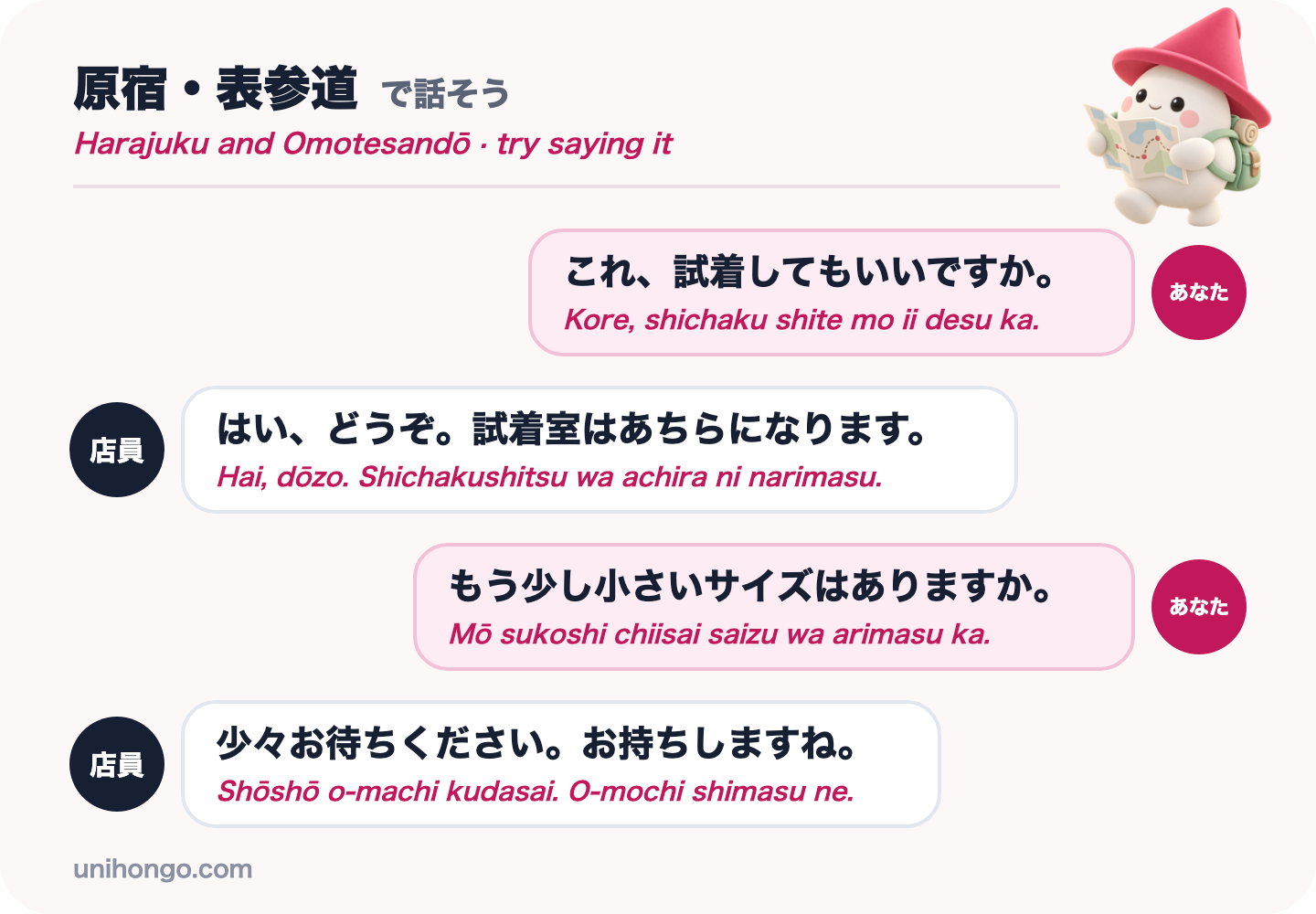
| Japanese | Romaji | Meaning |
|---|---|---|
| これ、試着してもいいですか。 | Kore, shichaku shite mo ii desu ka. | May I try this on? |
| はい、どうぞ。試着室はあちらになります。 | Hai, dōzo. Shichakushitsu wa achira ni narimasu. | Yes, of course. The fitting room is over there. |
| もう少し小さいサイズはありますか。 | Mō sukoshi chiisai saizu wa arimasu ka. | Do you have a slightly smaller size? |
| 少々お待ちください。お持ちしますね。 | Shōshō o-machi kudasai. O-mochi shimasu ne. | Just a moment, please. I'll bring one. |
Official information
Shop hours vary and change often, so check each shop's own site. The Tokyo Convention and Visitors Bureau's official guide covers the area, and the Takeshita Street shopkeepers' association publishes a map and street news in Japanese.