

Why Uzumasa Eigamura is worth a day
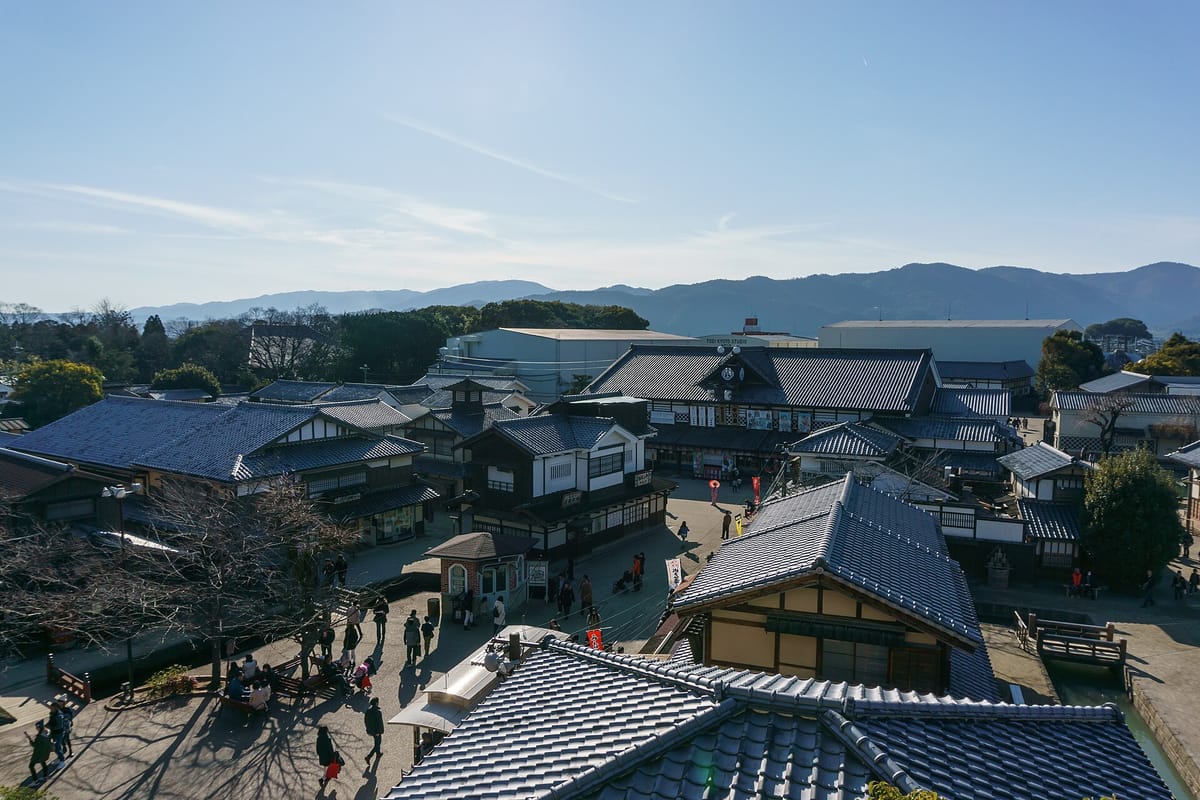
Uzumasa has been called the Hollywood of Japan. From the 1920s onwards film studios gathered in this part of western Kyoto, and the Tōei studio beside the park has made period dramas for cinema and television for decades. In 1975 part of the lot opened to the public as a place where visitors could walk through the sets and watch filming, and it became one of Kyoto's best-known days out.
The 2026 renewal changed the name and the style but kept the streets. The park now presents itself as an immersive trip into Edo-period Kyoto: new wooden buildings recreate the city's townscape, a live drama plays out in the streets, and the evening opening gives the lanes a different mood after dark. Filming still takes place in the village from time to time, and the park warns that visitors may be caught on camera.
For a learner, the village is a chance to hear a very particular Japanese: the formal, old-fashioned speech of samurai dramas, with its degozaru and sessha, alongside the everyday Japanese of staff and shop counters. Even when you do not follow every word, the shows are built to be understood from the action.
Getting there: Randen, JR and the two gates
The park has two entrances. The main gate, the Shōmen-guchi, is about five minutes' walk from Uzumasa-Kōryūji Station on the Keifuku Arashiyama Line, the little tram known as the Randen. It is about thirteen minutes on foot from JR Hanazono Station, and about fourteen minutes from Uzumasa Tenjingawa Station at the western end of the Tōzai subway line.
The second entrance, the Satsueijo-guchi or studio gate, is two minutes from Randen Satsueisho-mae Station and about five minutes from JR Uzumasa Station on the Sagano Line, which runs from Kyoto Station. This gate closes earlier than the main one, so check its hours if you plan to leave late. The temple Kōryū-ji, home of a famous wooden statue of Miroku Bosatsu, is right beside the Randen station and makes a good stop on the way.
| Japanese | Romaji | Meaning |
|---|---|---|
| 映画村の正面口はどちらですか。 | Eigamura no shōmen-guchi wa dochira desu ka. | Which way is the main gate of Eigamura? |
| 太秦広隆寺駅で降りればいいですか。 | Uzumasa Kōryūji-eki de orireba ii desu ka. | Should I get off at Uzumasa-Kōryūji Station? |
| 嵐電の乗り場はどこですか。 | Randen no noriba wa doko desu ka. | Where do I board the Randen? |
| 撮影所口は何時まで入れますか。 | Satsueijo-guchi wa nanji made hairemasu ka. | Until what time can I enter by the studio gate? |
| 広隆寺は近いですか。 | Kōryū-ji wa chikai desu ka. | Is Kōryū-ji near here? |
Shows, ninja and the Edo streets: what you will find
The heart of the park is the Edo townscape: merchant streets, a canal, a pleasure quarter and shops with noren curtains and wooden signboards. Since the renewal, the headline event is a live drama that runs through the whole village, so you can follow the story from street to street rather than sit in one theatre. A wordless ninja action show is designed to be enjoyed without Japanese.
Around the streets are the attractions, each with its own fee or covered by the attraction pass: ninja attractions full of tricks and surprises and a full-scale haunted house. New cultural experiences include samurai training in etiquette, ukiyo-e themed play and wearing kimono to walk the streets, with tea and Noh experiences on the programme. In the evening, the night-time ticket opens the village for events aimed at adults.
- Edo no machi: the Edo-period streets, the setting for the live drama.
- 360-degree real-time drama: a story acted out across the whole village.
- Ninja show: a non-verbal action show.
- Samurai training hall: learn the manners of the samurai class.
- Kimono and cultural experiences: dress up and try tea and Noh.
- Ninja attractions and the haunted house: paid separately or with the attraction pass.
- Night opening: evening entry with events for adults.
Words on the signs in the village
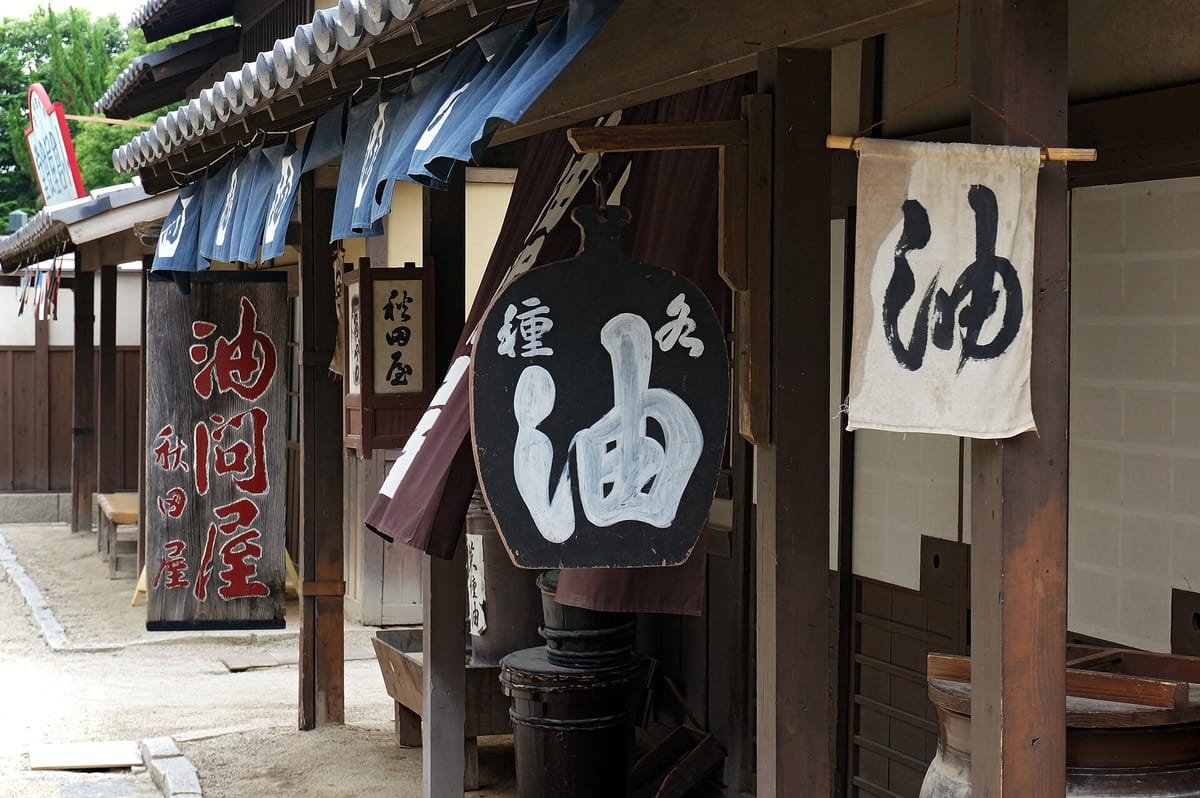
Many of the signs in the village are props written in the style of Edo shop boards, so they are a lesson in reading brush lettering. The big single kanji you see on signboards tell you what a shop sold: 油, oil, 酒, sake, 薬, medicine, 宿, an inn. The real information signs are printed in modern type and cover the gates, show times and attractions.
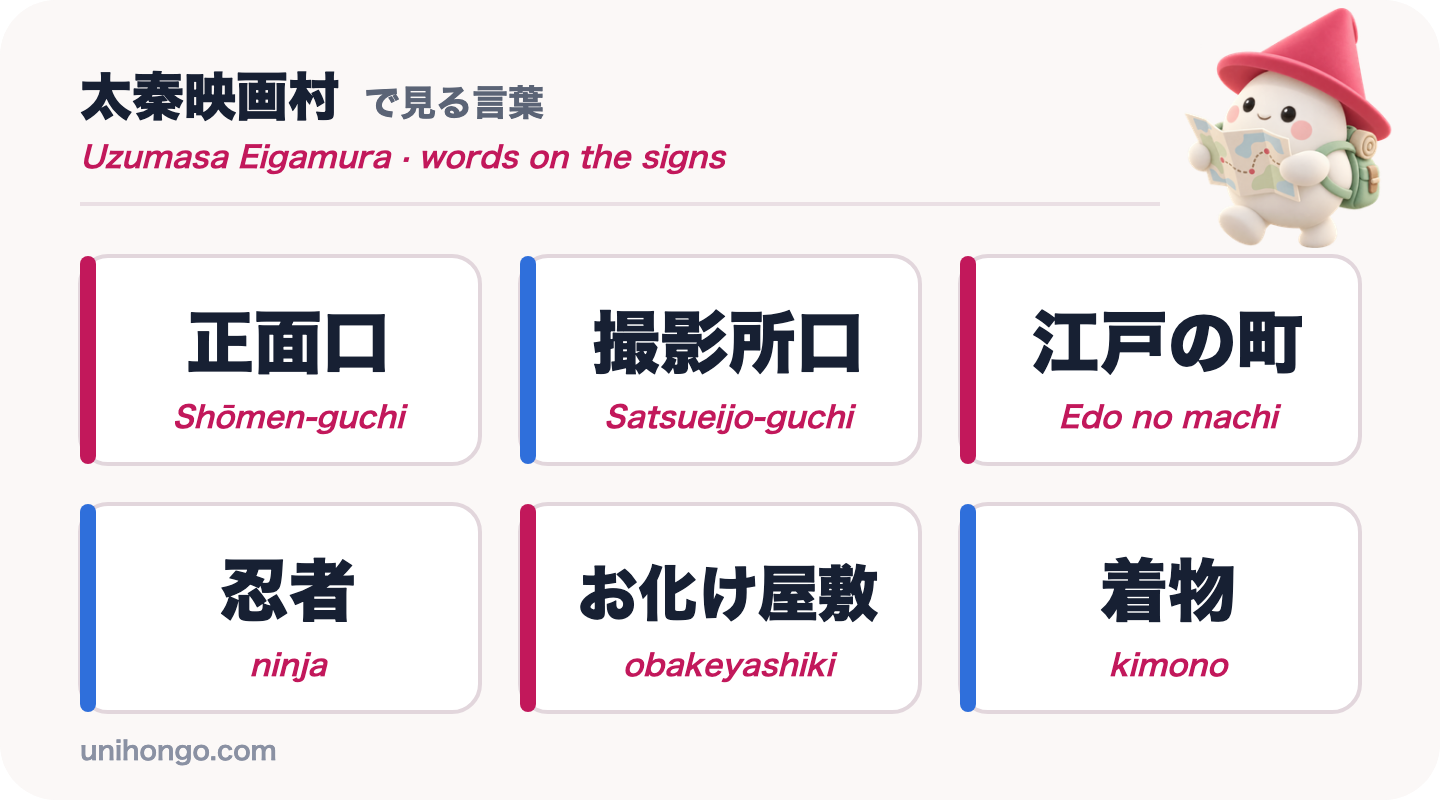
Two words are especially useful: 体験, taiken, experience, which marks anything you can try yourself, and 別料金, betsu ryōkin, a separate charge. The table below covers the words you will see on the way round.
| Word | Reading | Meaning |
|---|---|---|
| 正面口 | Shōmen-guchi | Main gate |
| 撮影所口 | Satsueijo-guchi | Studio gate, the second entrance |
| 江戸の町 | Edo no machi | The Edo-period streets |
| 忍者 | ninja | Ninja |
| お化け屋敷 | obakeyashiki | Haunted house |
| 着物 | kimono | Kimono |
| 文化体験 | bunka taiken | Cultural experience |
| 別料金 | betsu ryōkin | Separate charge |
| ショースケジュール | shō sukejūru | Show schedule |
Japanese for shows, tickets and kimono
The questions you will ask most are about times and places: when the next show starts, where it happens, and whether something is included in your ticket. Staff answer with a time, a place in the village and often the word betsu ryōkin if you need to pay extra.
Kimono and cultural experiences have their own reception, and the staff there will ask about your size, the colour you like and whether you want your hair done. Short answers are fine. The phrases below cover the day.
| Japanese | Romaji | Meaning |
|---|---|---|
| 大人一枚、一日券をお願いします。 | Otona ichimai, ichinichi-ken o onegai shimasu. | One adult day ticket, please. |
| このアトラクションは入村券に含まれていますか。 | Kono atorakushon wa nyūsonken ni fukumarete imasu ka. | Is this attraction included in the admission ticket? |
| ショーはどこでやっていますか。 | Shō wa doko de yatte imasu ka. | Where is the show on? |
| 着物の色は選べますか。 | Kimono no iro wa erabemasu ka. | Can I choose the colour of the kimono? |
| この格好で写真を撮ってもいいですか。 | Kono kakkō de shashin o totte mo ii desu ka. | May I take photos dressed like this? |
| お化け屋敷は何歳から入れますか。 | Obakeyashiki wa nansai kara hairemasu ka. | From what age can you enter the haunted house? |
Timing and practical tips
The renewal means the park is changing year by year, so a little checking before you go goes a long way.
- Look at the show schedule on the official site and plan your day around the performances you most want to see.
- Buy tickets online before you go; decide between the day ticket and the night-time ticket.
- Budget for the attraction pass or single attraction tickets if you want the ninja attractions and the haunted house.
- Check the operating calendar for closed days and for areas under renewal work in 2026 to 2028.
- Filming sometimes happens in the village; follow staff instructions and do not walk onto a set.
- Visit Kōryū-ji by the Randen station before or after the park.
Practise the village before you go
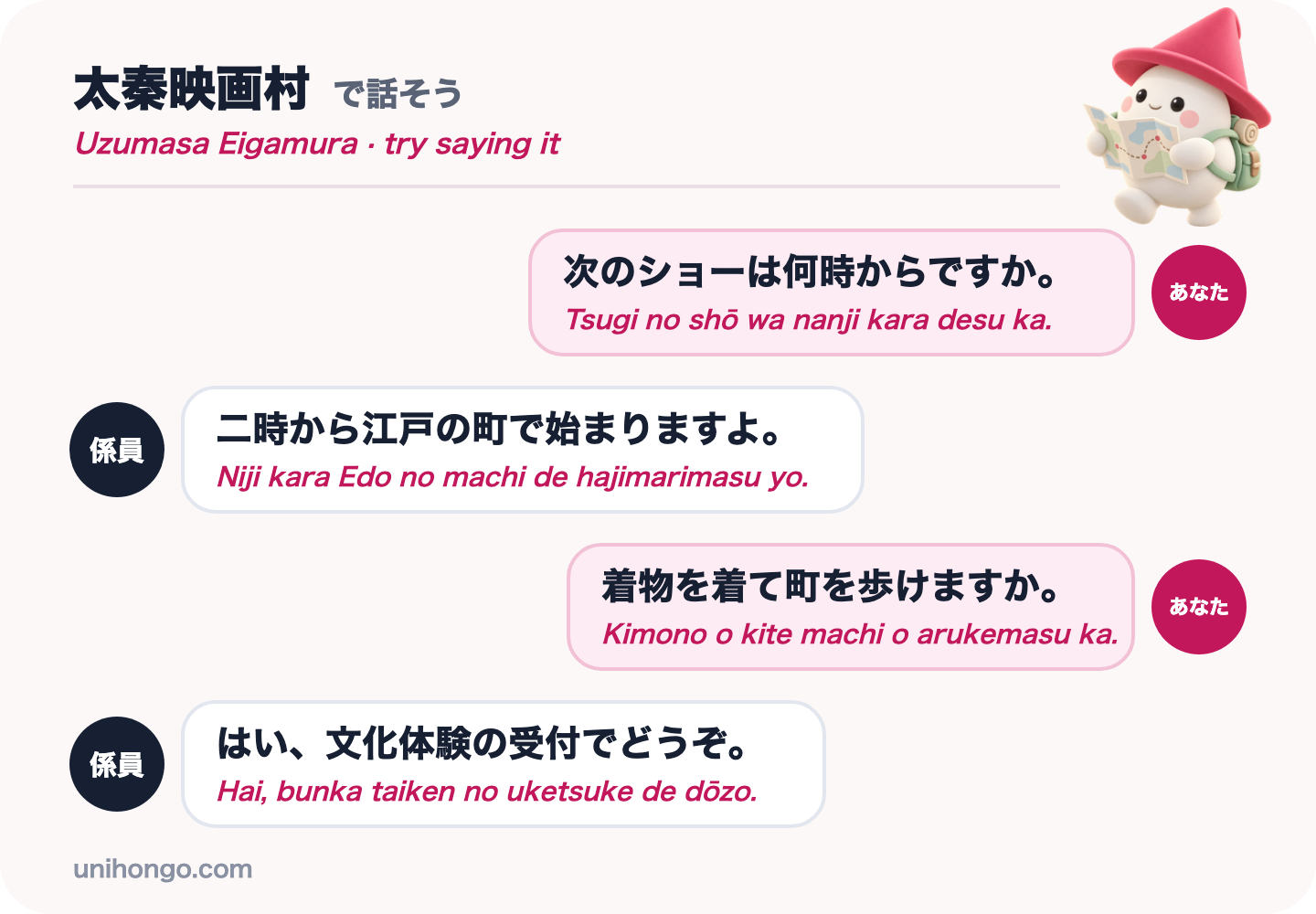
Time and place are the heart of any conversation in the village. Practise the four lines below until you can say them without looking, and listen for the time, niji, two o'clock, and the place, Edo no machi, in the first answer, and for uketsuke, reception, in the second.
Then practise with a partner who answers back. In Unihongo, choose the Sightseeing topic and ask your AI Sensei to play a guide in the village, or use the Cultural Etiquette topic to rehearse polite forms before the samurai training. Saying the lines once before you go is what makes them come out on the day.
| Japanese | Romaji | Meaning |
|---|---|---|
| 次のショーは何時からですか。 | Tsugi no shō wa nanji kara desu ka. | What time does the next show start? |
| 二時から江戸の町で始まりますよ。 | Niji kara Edo no machi de hajimarimasu yo. | It starts at two o'clock in the Edo streets. |
| 着物を着て町を歩けますか。 | Kimono o kite machi o arukemasu ka. | Can I walk around the streets in kimono? |
| はい、文化体験の受付でどうぞ。 | Hai, bunka taiken no uketsuke de dōzo. | Yes, please go to the cultural experience reception. |
Official information
Uzumasa Eigamura publishes its opening calendar, tickets, show schedule, attractions and access on its official website. Because the renewal continues until 2028, check it for changes before every visit.