

Why Shiretoko is Japan's wildest corner
Shiretoko's name is often explained as coming from the Ainu for the end of the earth, and it feels like it. The peninsula runs about seventy kilometres into the Sea of Okhotsk, with a spine of volcanic mountains, including Mount Rausu, dropping to cliffs and waterfalls on the coast. No road reaches the tip. Most visitors see the peninsula from Utoro on the west coast, from Rausu on the east, from the road over Shiretoko Pass between them, and from the sea.
In 2005 Shiretoko became a UNESCO World Natural Heritage site. The reason is a chain of life that starts with drift ice: in winter, sea ice from the Sea of Okhotsk brings plankton to the coast, which feeds fish, which feed seals, sea eagles and, when the salmon run up the rivers in autumn, brown bears. The peninsula has one of the highest densities of brown bears in the world, and Ezo deer, foxes and Steller's sea eagles are common sights.
That wildness comes with responsibility. Bears here are wild animals, and a bear that learns to find food near people usually has to be killed. In August 2025 a hiker was killed by a brown bear on Mount Rausu, the first fatal attack in the Shiretoko mountains in more than sixty years, a stark reminder of why the park's rules exist. Visiting Shiretoko well means reading the signs and following the rules, and a little Japanese helps you do both.
Getting there: Shiretoko-Shari, Utoro and the Five Lakes
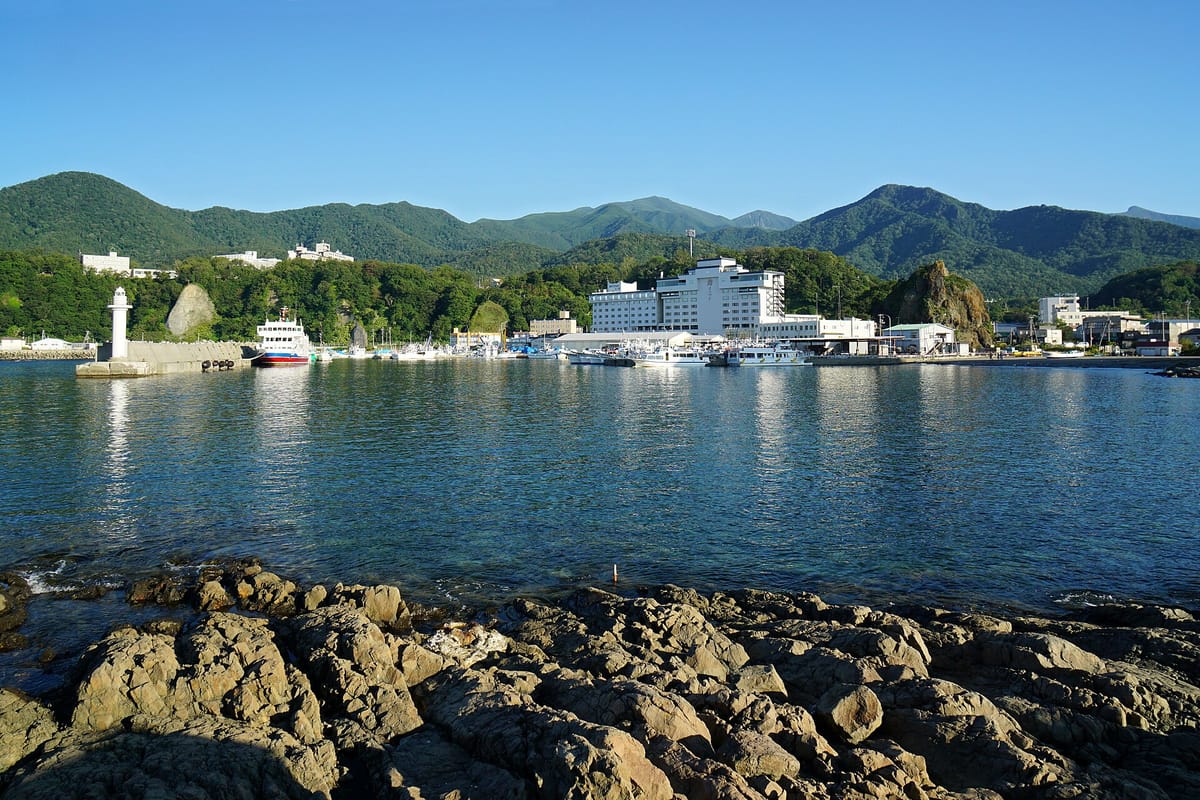
The rail gateway is JR Shiretoko-Shari Station on the Senmō Line, which runs along the Okhotsk coast between Abashiri and Kushiro. From Shiretoko-Shari, buses run to Utoro Onsen, the hot spring town and port that serves as the base for most visits. Memanbetsu Airport, near Abashiri, is the nearest airport for Utoro, while Nakashibetsu Airport serves Rausu on the east coast. Public transport on the peninsula is limited, so many visitors rent a car.
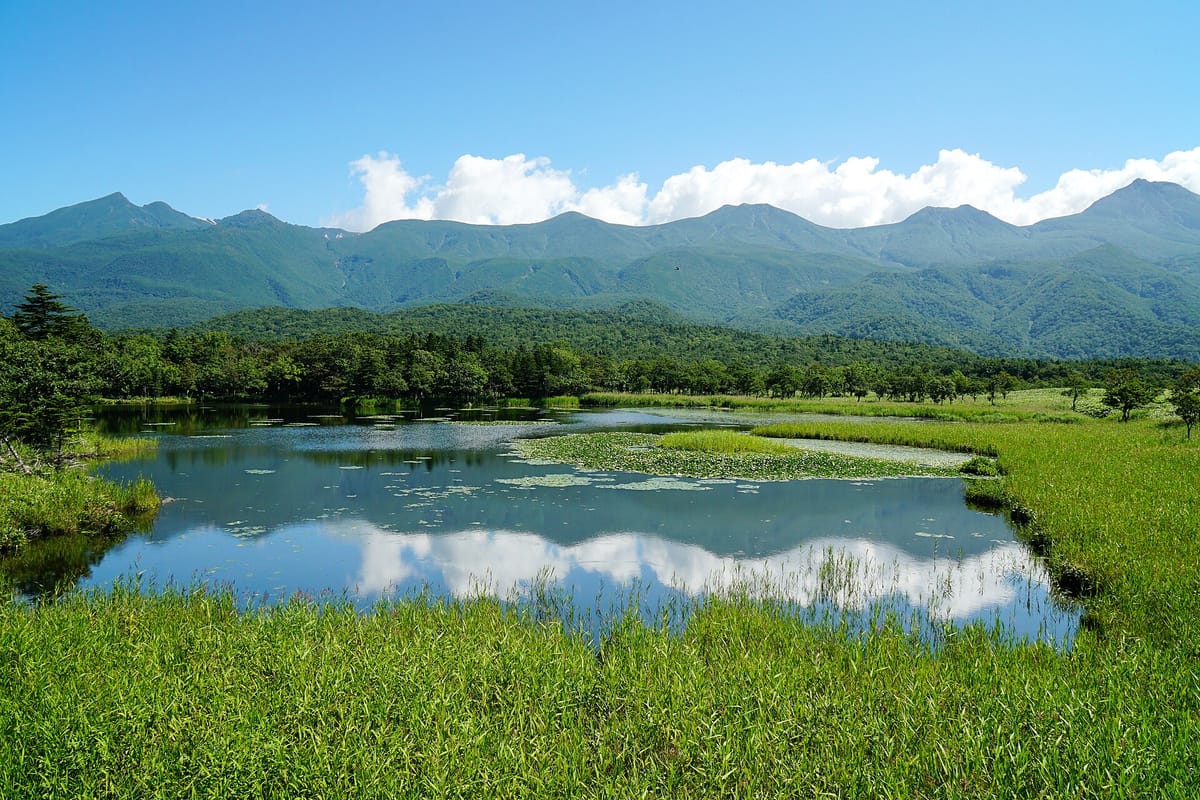
The Shiretoko Five Lakes, Shiretoko Goko, are about fifteen kilometres north-east of Utoro along a prefectural road that is open from about mid-April to mid-November. Seasonal buses run from Utoro. At the Five Lakes, the Field House is where you attend the lecture or meet your guide, and the elevated boardwalk starts beside it; the Park Service Center next door has the car park and a shop selling snacks.
The road over Shiretoko Pass between Utoro and Rausu is closed in winter, and snow can close it outside winter too. Check road information before you drive.
| Japanese | Romaji | Meaning |
|---|---|---|
| ウトロ行きのバスはどこから乗れますか。 | Utoro-yuki no basu wa doko kara noremasu ka. | Where can I catch the bus to Utoro? |
| 知床五湖まで行くバスはありますか。 | Shiretoko Goko made iku basu wa arimasu ka. | Is there a bus that goes to the Five Lakes? |
| 知床峠は今日通れますか。 | Shiretoko Tōge wa kyō tōremasu ka. | Is Shiretoko Pass open today? |
| フィールドハウスはどこですか。 | Fīrudo hausu wa doko desu ka. | Where is the Field House? |
| レクチャーの予約はどこでできますか。 | Rekuchā no yoyaku wa doko de dekimasu ka. | Where can I book the lecture? |
Five Lakes rules: the boardwalk, the ground trail and the bear season
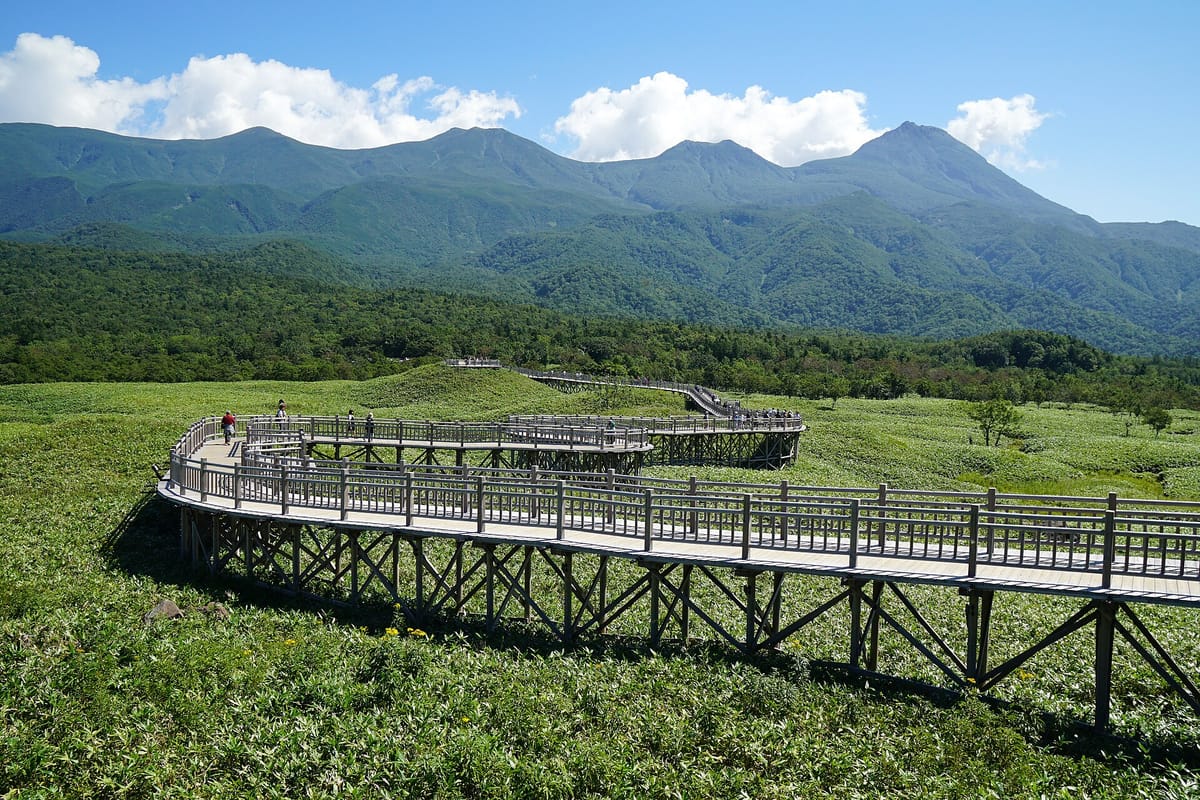
There are two ways to see the Five Lakes. The elevated boardwalk, kōka mokudō, is an 800-metre wooden walkway raised above the bamboo grass, protected by an electric fence, and free to use without a guide. It is barrier-free, takes about twenty minutes each way, and ends at the first lake, Ichiko, with views of the Shiretoko mountains.
The ground trail, chijō yūhodō, loops through the forest past all five lakes, with a longer route of about three kilometres and a shorter one. Its rules depend on the date. During the bear activity period, 10 May to 31 July, you may walk it only as part of a tour led by a registered guide, in groups of up to ten, and booking ahead is strongly advised. In the vegetation protection periods, from the season opening to 9 May and from 1 August to the close, you may walk it on your own after paying a fee and attending a ten-minute lecture on bears and plants at the Field House; the lecture has limited places, many of them reservable.
Whatever the date, the ground trail closes immediately if a bear is seen, and it may stay closed for the rest of the day or longer. Only sealed snacks may be carried, eating is not allowed on the trail, and pets are not permitted on any path.
- Elevated boardwalk: free, no guide needed, open through the season, to the first lake.
- Ground trail, 10 May to 31 July: registered guided tours only.
- Ground trail, opening to 9 May and 1 August to the close: independent walking after a paid lecture.
- Any day: the ground trail closes at once when a bear appears.
- No eating on the trail, sealed snacks only, and no pets.
Warning signs and words to read
Shiretoko's signs are some of the most important you will read in Japan, because they tell you where bears have been seen and which paths are shut. Many are in English as well, but the notices posted on the day are often in Japanese first. Learn 閉鎖中, heisa-chū, closed, and ヒグマ, higuma, brown bear, and you will understand the essentials of almost every notice.
The lakes themselves have simple numbered names: 一湖, Ichiko, the first lake, through 五湖, Goko, the fifth. The table below covers the words on the signs at the Five Lakes and on the peninsula's roads and trails.
| Word | Reading | Meaning |
|---|---|---|
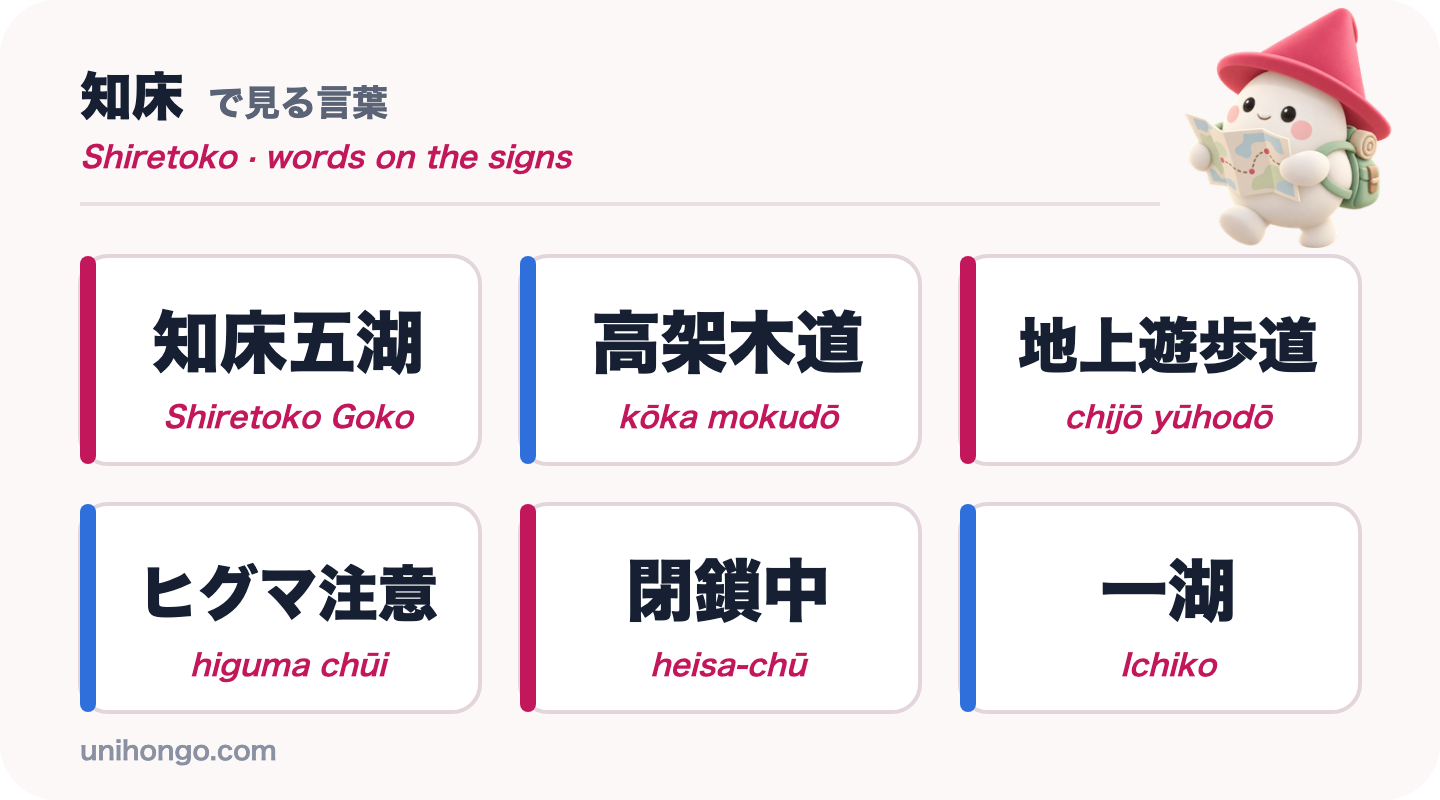
| 知床五湖 | Shiretoko Goko | Shiretoko Five Lakes |
| 高架木道 | kōka mokudō | Elevated boardwalk |
| 地上遊歩道 | chijō yūhodō | Ground trail through the forest |
| ヒグマ注意 | higuma chūi | Beware of brown bears |
| ヒグマ出没 | higuma shutsubotsu | Brown bear sighted in this area |
| 閉鎖中 | heisa-chū | Closed |
| 一湖 | Ichiko | The first lake |
| 餌やり禁止 | esayari kinshi | Do not feed the animals |
| 通行止め | tsūkōdome | Road closed |
Japanese at the Five Lakes Field House
At the Field House you will register for the lecture or check in for your guided tour, and staff will explain the day's trail conditions. Knowing the key words helps you follow the lecture and the staff's explanations. Registered guides lead tours during the bear season; ask when you book whether an English-speaking guide is available.
The phrases below cover the questions you will actually need: is the trail open, is the boardwalk open, how long is the lecture, and what to do if you see a bear.
| Japanese | Romaji | Meaning |
|---|---|---|
| 今日は地上遊歩道を歩けますか。 | Kyō wa chijō yūhodō o arukemasu ka. | Can I walk the ground trail today? |
| レクチャーを受けたいです。 | Rekuchā o uketai desu. | I'd like to attend the lecture. |
| ガイドツアーは予約が必要ですか。 | Gaido tsuā wa yoyaku ga hitsuyō desu ka. | Do guided tours need a reservation? |
| 英語のガイドはいますか。 | Eigo no gaido wa imasu ka. | Is there an English-speaking guide? |
| 短いコースは何分くらいですか。 | Mijikai kōsu wa nanpun kurai desu ka. | About how many minutes is the short route? |
| クマを見ました。 | Kuma o mimashita. | I saw a bear. |
| 助けてください。 | Tasukete kudasai. | Please help me. |
Bear safety, cruises and seasons
The park's own bear safety advice is short and clear, and following it protects both you and the bears.
- Let bears know you are there: talk, clap or carry a bear bell, especially where you cannot see far ahead.
- Never leave food or rubbish outside, and take all rubbish home; never feed any wild animal.
- Avoid walking alone, and avoid dawn, dusk and night on trails.
- If you see a bear from a car, do not stop and do not get out; keep driving slowly.
- Never approach a bear, and stay well away from cubs, whose mother will defend them.
- If a bear is close, face it and back away slowly; do not run. Carry bear spray on trails outside managed areas.
- Sightseeing cruises from Utoro run in the warmer months along cliffs and waterfalls that no road reaches; check schedules and weather, as sailings are often cancelled in rough seas.
- In winter, drift ice usually reaches the coast around February and March, when guided drift ice walks are offered at Utoro.
Practise the Field House before you go
Closures are common at the Five Lakes, and the most useful conversation is the one that tells you what you can still do. Practise the four lines below until you can say them without reading. Listen for node, because, in the staff reply, and for the word heisa-chū.
Then practise with someone who answers back. In Unihongo, choose the Sightseeing topic and ask your AI Sensei to play the staff at the Five Lakes Field House, including a day when the trail is closed, or use the Travel Emergency topic to rehearse reporting a bear. Saying these lines aloud before you go makes them easy to use when it matters.
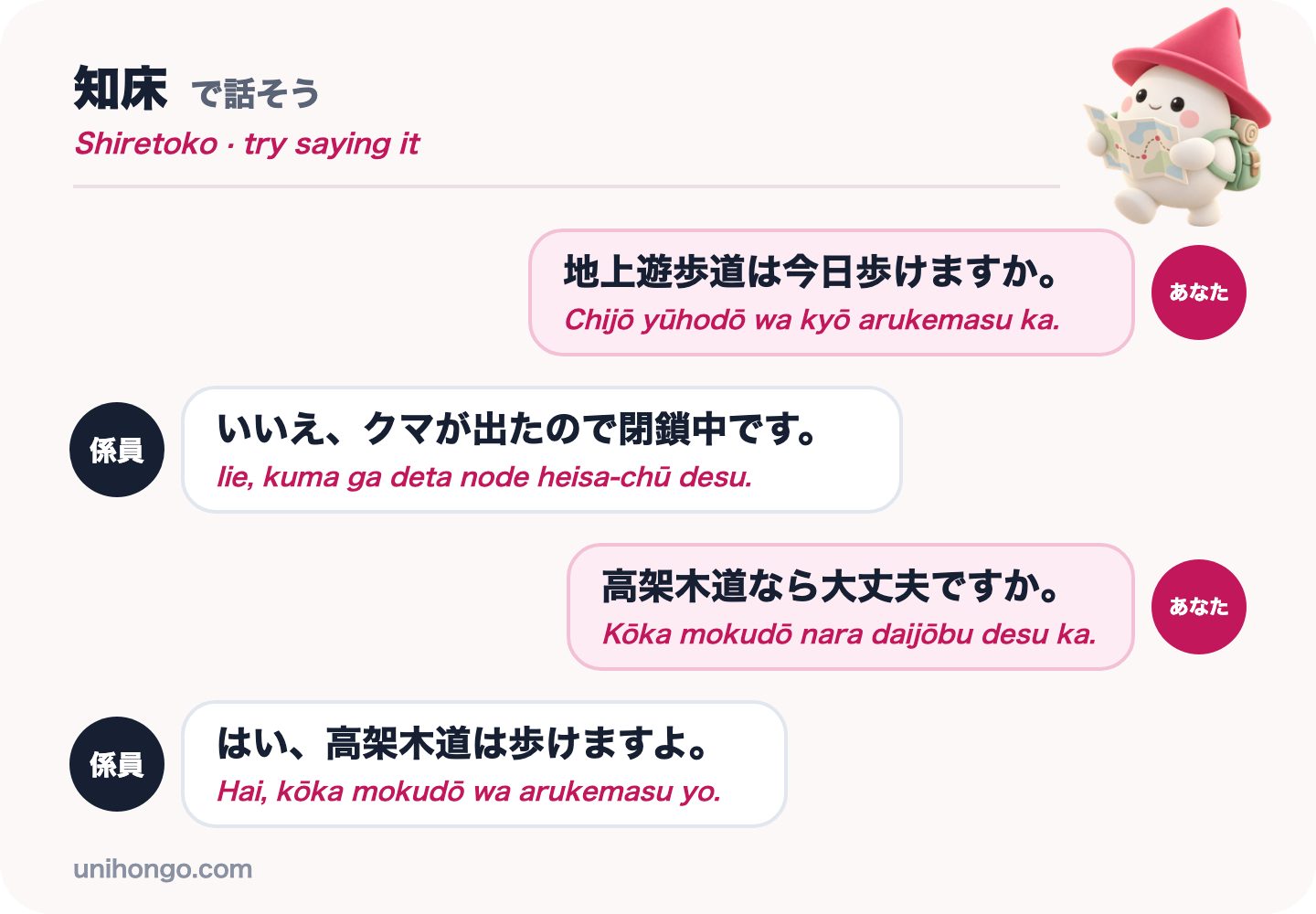
| Japanese | Romaji | Meaning |
|---|---|---|
| 地上遊歩道は今日歩けますか。 | Chijō yūhodō wa kyō arukemasu ka. | Can I walk the ground trail today? |
| いいえ、クマが出たので閉鎖中です。 | Iie, kuma ga deta node heisa-chū desu. | No, it's closed because a bear appeared. |
| 高架木道なら大丈夫ですか。 | Kōka mokudō nara daijōbu desu ka. | Is the boardwalk all right, then? |
| はい、高架木道は歩けますよ。 | Hai, kōka mokudō wa arukemasu yo. | Yes, you can walk the boardwalk. |
Official information
Trail status, lecture reservations, guided tour operators and season dates for the Five Lakes are published by the Five Lakes' official site, and the Ministry of the Environment publishes the bear safety rules for the national park. Check both on the day of your visit.