

Why Furano and Biei are worth the trip inland
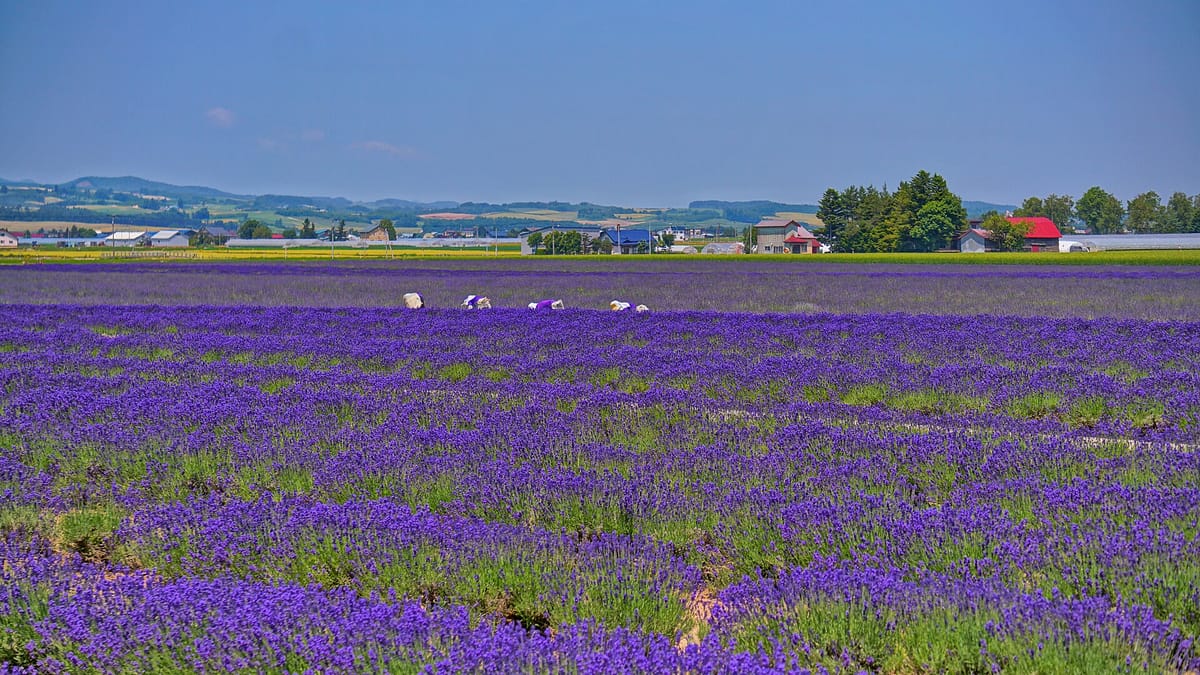
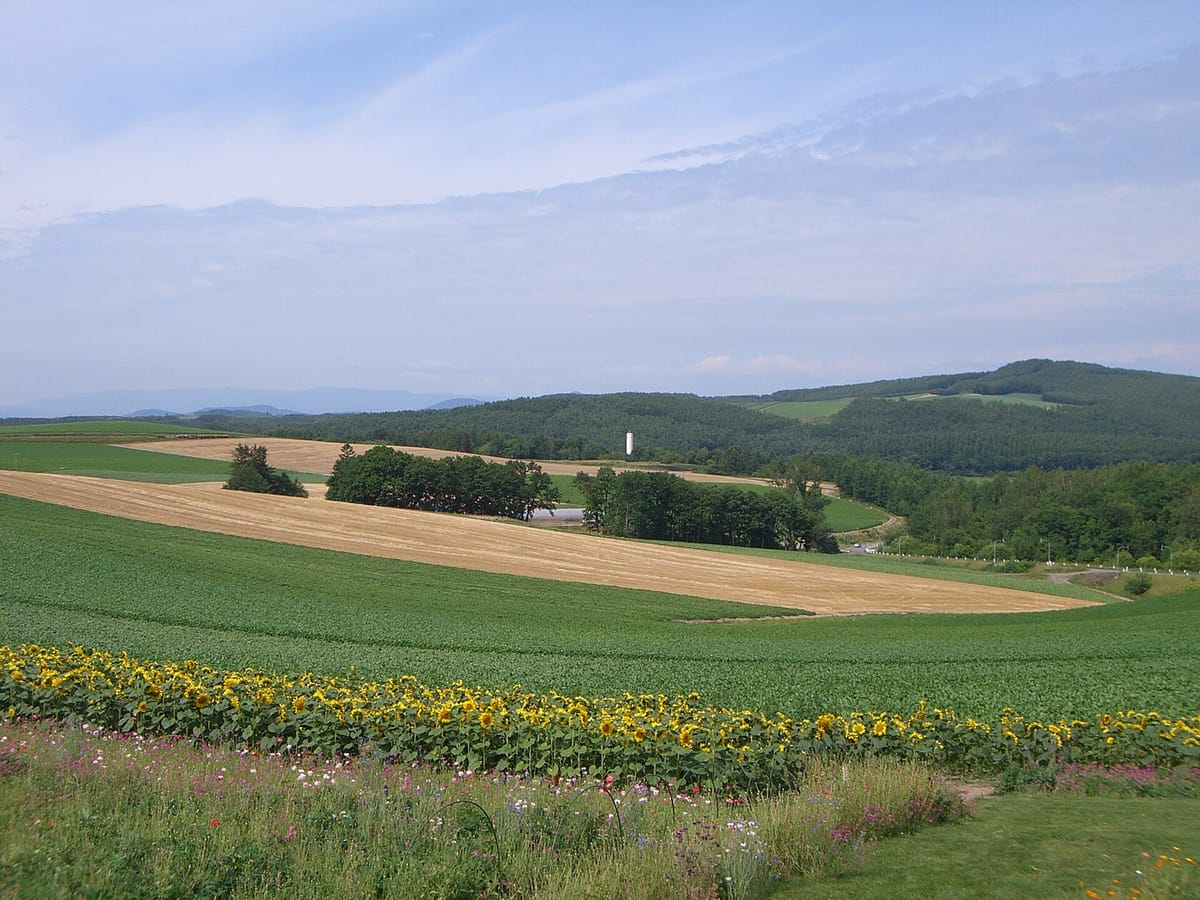
The Kamikawa region in central Hokkaido looks nothing like the Japan of temples and crowded cities. Here the land opens out into long valleys of farmland under the Tokachi mountains, with red-roofed barns, rows of poplars and roads that rise and fall over the hills. Furano, the southern town, became famous for lavender, grown first for perfume oil and now for visitors, who come in July to walk between purple rows. Biei, to the north, is known for its hills, where fields of different crops create a patchwork of colours that changes through the summer.
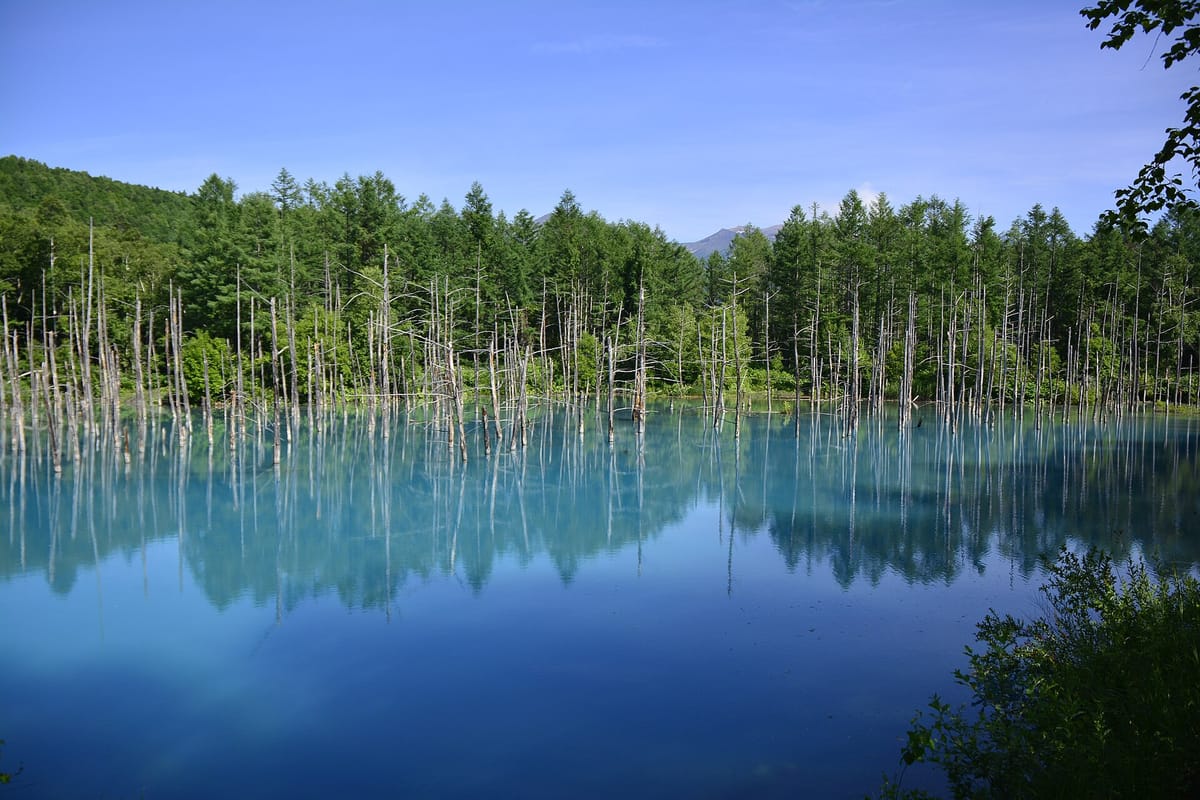
Between them, the Tokachi range adds hot springs, waterfalls and the Shirogane Blue Pond, whose milky turquoise water surrounded by bare, drowned trees has become one of the most photographed sights in Hokkaido. In winter the region turns white and quiet, with skiing in Furano and a lit-up Blue Pond on some evenings.
It is also a region where polite Japanese matters. The people you meet are farmers, shopkeepers, rental staff and bus drivers in small towns, and many visitors arrive at once in summer. A few respectful phrases, and following the signs on the fields, make you the kind of guest the region wants.
Getting there: Asahikawa, Biei and Furano by train
The JR Furano Line runs from Asahikawa through Biei to Furano. Asahikawa is about eighty-five minutes from Sapporo by limited express, and from there local trains reach Biei in around thirty minutes and Furano in about an hour and a quarter; trains run roughly once an hour. Furano can also be reached from Sapporo by changing at Takikawa, or by highway bus. Asahikawa Airport is the closest airport, with buses to both towns.
Summer brings seasonal trains, and they are changing. The Furano-Biei Norokko, the open-window sightseeing train that stopped at the seasonal Lavender Farm Station near Farm Tomita, ran its final season in 2026. In recent summers JR Hokkaido has also run the Furano Lavender Express, a seasonal limited express between Sapporo and Furano with all seats reserved. Check JR Hokkaido's seasonal train pages for this year's services before you plan the day around them.
Once there, rent a car, ride a bike or join a sightseeing bus. Bike rental shops near Biei Station offer regular and electric bicycles, and the electric ones make the hills manageable. Farm Tomita is a walk from Naka-Furano Station on the Furano Line.
| Japanese | Romaji | Meaning |
|---|---|---|
| 富良野線の乗り場はどこですか。 | Furano-sen no noriba wa doko desu ka. | Where do I catch the Furano Line? |
| 美瑛まで何分くらいかかりますか。 | Biei made nanpun kurai kakarimasu ka. | About how many minutes to Biei? |
| ファーム富田は中富良野駅から歩けますか。 | Fāmu Tomita wa Naka-Furano-eki kara arukemasu ka. | Can I walk to Farm Tomita from Naka-Furano Station? |
| 青い池へ行くバスはありますか。 | Aoi Ike e iku basu wa arimasu ka. | Is there a bus to the Blue Pond? |
| 次のバスは何時ですか。 | Tsugi no basu wa nanji desu ka. | What time is the next bus? |
Lavender, the Blue Pond and Biei's hills: what you will see
In Furano, Farm Tomita in Naka-Furano is the classic lavender farm: sloping fields of lavender and bands of other flowers, a shop selling lavender products and the famous pale purple soft-serve. The farm's Lavender East field nearby is one of the largest lavender fields in the area. Furano town itself has a cheese factory, a wine house and Ningle Terrace, a cluster of log-cabin craft shops in the woods.
In Biei, the Shirogane Blue Pond, Shirogane Aoi Ike, lies in the forest towards Shirogane Onsen. It was created by accident: after Mount Tokachi erupted in 1988, a dam was built on the Biei River to hold back volcanic mudflows, and water collected behind it. Minerals from the springs upstream, including aluminium compounds, scatter sunlight and turn the water blue. A little further up the road, Shirahige Falls pours into a deep blue gorge.
Biei's hills are usually explored along two scenic routes. The Patchwork Road, west of the station, passes famous trees and hills; the Panorama Road, to the south, passes flower gardens such as Shikisai no Oka and wide views of the Tokachi range. Both run through working farmland.
- Farm Tomita: lavender and flower fields near Naka-Furano Station, free to enter.
- Shikisai no Oka: a large flower garden in the Biei hills with striped beds of flowers.
- Shirogane Aoi Ike: the Blue Pond, free to visit, with a paid car park.
- Shirahige no Taki: a waterfall pouring out of the cliff above the Biei River.
- Patchwork no Michi: the Patchwork Road of hills and lone trees west of Biei Station.
- Panorama Road: views over the fields to the Tokachi mountains south of the town.
- Furano town: cheese, wine, and the craft cabins of Ningle Terrace.
Farm signs you must read
The most important signs in Biei and Furano are not about sights at all. Farmers have put up signs, often in several languages, asking visitors to stay out of their fields. Walking into crops damages them and can carry soil diseases from farm to farm on your shoes. Some famous photo trees have been lost because of it: the landowner cut down Biei's Philosophy Tree in 2016 after years of trespassing, and in 2025 a row of birches near the Seven Stars Tree was felled for similar reasons.
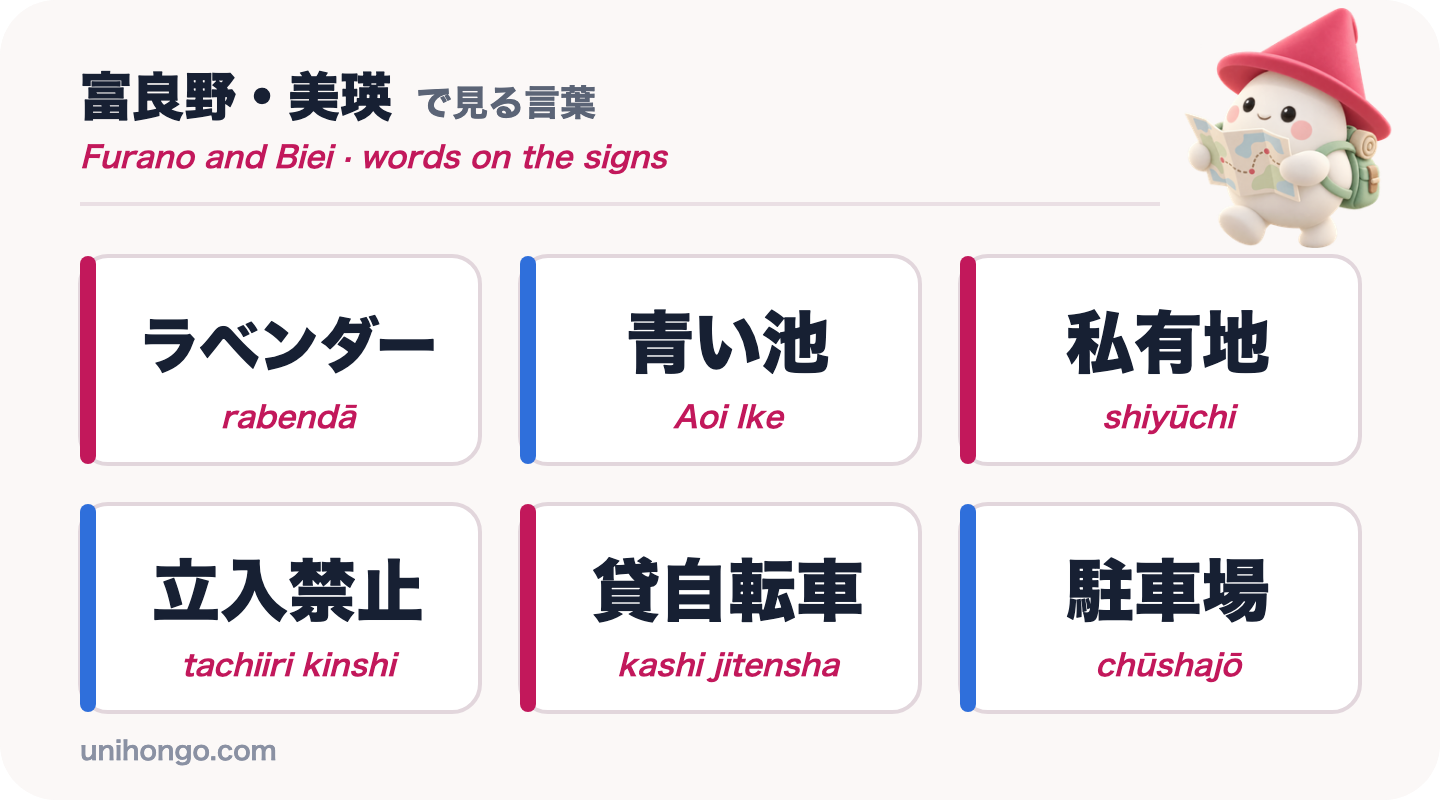
Learn to recognise 私有地, private land, and 立入禁止, no entry, and treat every field as off limits whether it has a sign or not. The other words below will help you find the bikes, the car parks and the flowers.
| Word | Reading | Meaning |
|---|---|---|
| ラベンダー | rabendā | Lavender |
| 青い池 | Aoi Ike | Blue Pond |
| 私有地 | shiyūchi | Private land |
| 立入禁止 | tachiiri kinshi | No entry |
| 畑 | hatake | Field, farmland |
| 貸自転車 | kashi jitensha | Bicycles for rent |
| 駐車場 | chūshajō | Car park |
| 駐車禁止 | chūsha kinshi | No parking |
| 見頃 | migoro | Best time to see (flowers) |
Japanese for renting a bicycle in Biei
Cycling is the classic way to see Biei's hills at your own pace. Rental shops near Biei Station rent regular bikes and electric-assist bikes, dendō jitensha, by the hour or the day. The hills are long and steady rather than steep, but they add up, so an electric bike is worth it unless you ride a lot at home. Ask for a map, check the return time and plan a loop rather than an out-and-back.
Staff will usually ask how long you want the bike and when you will return it, and may remind you about the fields. The phrases below cover the whole exchange.
| Japanese | Romaji | Meaning |
|---|---|---|
| 自転車を借りたいんですが。 | Jitensha o karitai n desu ga. | I'd like to rent a bicycle. |
| 電動自転車はありますか。 | Dendō jitensha wa arimasu ka. | Do you have electric bikes? |
| 三時間借りられますか。 | Sanjikan kariraremasu ka. | Can I rent it for three hours? |
| 地図をもらえますか。 | Chizu o moraemasu ka. | Could I have a map? |
| 坂が少ないコースはどれですか。 | Saka ga sukunai kōsu wa dore desu ka. | Which route has the fewest hills? |
| 何時までに返せばいいですか。 | Nanji made ni kaeseba ii desu ka. | By what time should I return it? |
Farm etiquette, timing and practical tips
The region's beauty depends on the people who farm it, and a few habits keep it that way.
- Never walk into fields or climb over fences for a photo, even if others do; shoot from the road.
- Do not stop or park on narrow farm roads; use marked car parks and lay-bys, and give way to tractors.
- Do not fly drones over farmland without the landowner's permission.
- Visit early in the morning in July, before tour buses arrive at Farm Tomita and the Blue Pond.
- The Blue Pond's colour changes with weather and season; it may close temporarily after heavy rain or snow.
- Bring rain gear and sun protection when cycling; there are few shops between viewpoints.
Practise the bike rental before you go
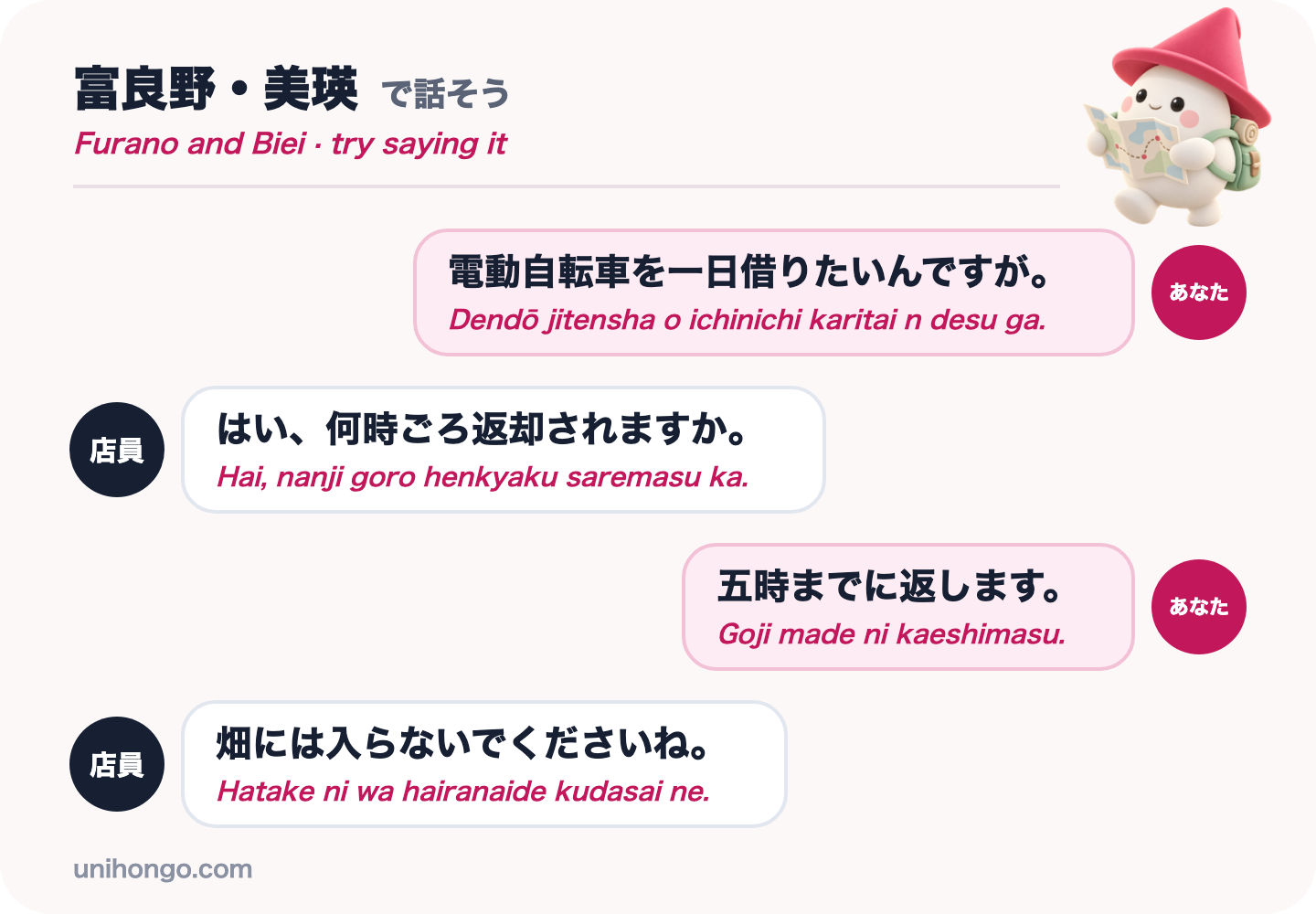
The rental counter is where you will have your longest conversation of the day, and staff will ask when you plan to come back. Practise the four lines below until they come without reading, and notice the polite henkyaku saremasu ka, will you be returning it, that staff use instead of the plain kaesu.
Then practise with someone who answers back. In Unihongo, choose the Sightseeing topic and ask your AI Sensei to play the staff at a bike rental shop in Biei, including the question about the return time and the reminder about the fields. Saying it aloud once before the trip makes it easy at the counter.
| Japanese | Romaji | Meaning |
|---|---|---|
| 電動自転車を一日借りたいんですが。 | Dendō jitensha o ichinichi karitai n desu ga. | I'd like to rent an electric bike for the day. |
| はい、何時ごろ返却されますか。 | Hai, nanji goro henkyaku saremasu ka. | Certainly. About what time will you return it? |
| 五時までに返します。 | Goji made ni kaeshimasu. | I'll bring it back by five. |
| 畑には入らないでくださいね。 | Hatake ni wa hairanaide kudasai ne. | Please don't go into the fields. |
Official information
Bloom updates, seasonal train services and access to the Blue Pond change every year. Check Farm Tomita, the Hokkaido tourism site and JR Hokkaido's Furano and Biei pages shortly before you travel.