
คู่มือฝึกออกเสียงภาษาญี่ปุ่น
ฝึกความต่างของเสียงและจังหวะที่ช่วยให้คนอื่นเข้าใจภาษาญี่ปุ่นที่คุณพูดได้ง่ายขึ้น
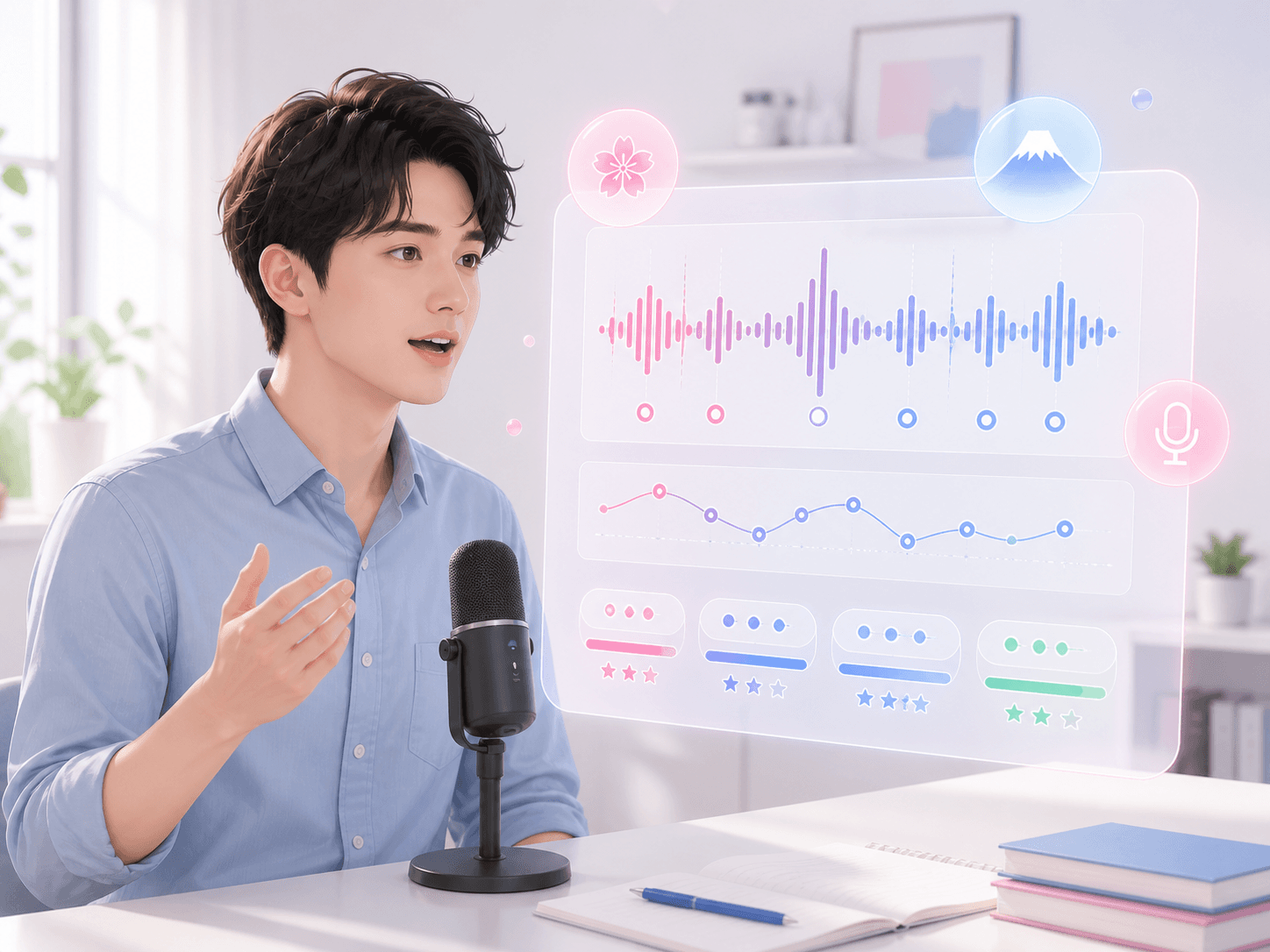
คู่มือฝึกออกเสียงภาษาญี่ปุ่น
การออกเสียงภาษาญี่ปุ่นที่ชัดเจนขึ้นอยู่กับมากกว่าการคัดลอกเสียงแต่ละเสียง การกำหนดเวลาของโมรา ความยาวของสระ พยัญชนะซ้อน และจังหวะที่เป็นธรรมชาติสามารถเปลี่ยนความหมายหรือความเข้าใจได้ สำเนียงระดับเสียงยังกำหนดวิธีการออกเสียงของคำอีกด้วย แม้ว่าผู้เรียนควรจัดลำดับความสำคัญของความชัดเจนและจังหวะเวลาก่อนที่จะไล่ตามความสมบูรณ์แบบ
นับโมเรแทนที่จะปฏิบัติต่อทุกพยางค์อย่างเท่าเทียมกัน
เปรียบเทียบสระสั้นและสระยาวเป็นคู่ที่มีความหมาย
เว้นจังหวะเล็ก っ ก่อนพยัญชนะตัวถัดไป
บันทึก เปรียบเทียบ และทำซ้ำคุณลักษณะเฉพาะอย่างใดอย่างหนึ่ง
วิธีพัฒนาอย่างได้ผล
เลือกบรรทัดสั้นๆ ห้าบรรทัดที่มีคุณลักษณะเป้าหมายเดียว ฟังครั้งเดียว กำหนดเวลา บันทึกตัวเอง และเปรียบเทียบ ทำซ้ำเฉพาะส่วนที่เปลี่ยนแปลง ห้องปฏิบัติการการออกเสียงของ Unihongo สามารถสร้างบรรทัดใหม่และเน้นบริเวณที่ต้องพยายามอีกครั้ง
- 1
เลือกเป้าหมายที่ชัดเจนหนึ่งอย่าง
ให้แต่ละเซสชันมุ่งเน้นสถานการณ์หรือทักษะที่คุณนำไปใช้ได้จริง
- 2
ฝึกอย่างกระตือรือร้น
พูดคำตอบเต็มประโยคออกเสียง แทนที่จะเพียงอ่านหรือจำภาษาญี่ปุ่นได้
- 3
ทบทวนและทำซ้ำ
เก็บคำแก้ไขที่มีประโยชน์และฝึกทักษะเดิมซ้ำจนเป็นธรรมชาติ
คำถามที่พบบ่อย
ฉันจำเป็นต้องมีสำเนียงระดับเสียงที่สมบูรณ์แบบหรือไม่?
ไม่ การรับรู้สำเนียงระดับเสียงสูงต่ำมีประโยชน์ แต่เสียงที่เข้าใจ ความยาวของสระ และจังหวะมักจะเป็นเรื่องเร่งด่วนสำหรับผู้เรียนมากกว่า
ทำไมสระเสียงยาวจึงมีความสำคัญในภาษาญี่ปุ่น?
ความยาวของสระสามารถแยกแยะคำและส่งผลต่อจังหวะเวลาของญี่ปุ่น ดังนั้น การลดสระเสียงยาวอาจเปลี่ยนสิ่งที่ผู้ฟังได้ยิน
เรียนรู้ต่อ
เปลี่ยนความรู้ภาษาญี่ปุ่นให้เป็นความมั่นใจในการพูด
ฝึกฝนกับอาจารย์ AI ของ Unihongo ในห้องเรียน 3 มิติที่สมจริง พร้อมด้วยภารกิจสวมบทบาท การฝึกสอนการออกเสียง ความคิดเห็นที่เป็นประโยชน์ และเกมการเรียนรู้ที่สร้างคำศัพท์ของคุณในขณะที่คุณเล่น