
วิธีฝึกพูดภาษาญี่ปุ่นคนเดียว
คุณสามารถสร้างความสามารถในการพูดที่แท้จริงได้เพียงลำพัง เมื่อการฝึกฝนจำเป็นต้องสร้าง พูด ฟัง และพัฒนาภาษาญี่ปุ่นของคุณเอง
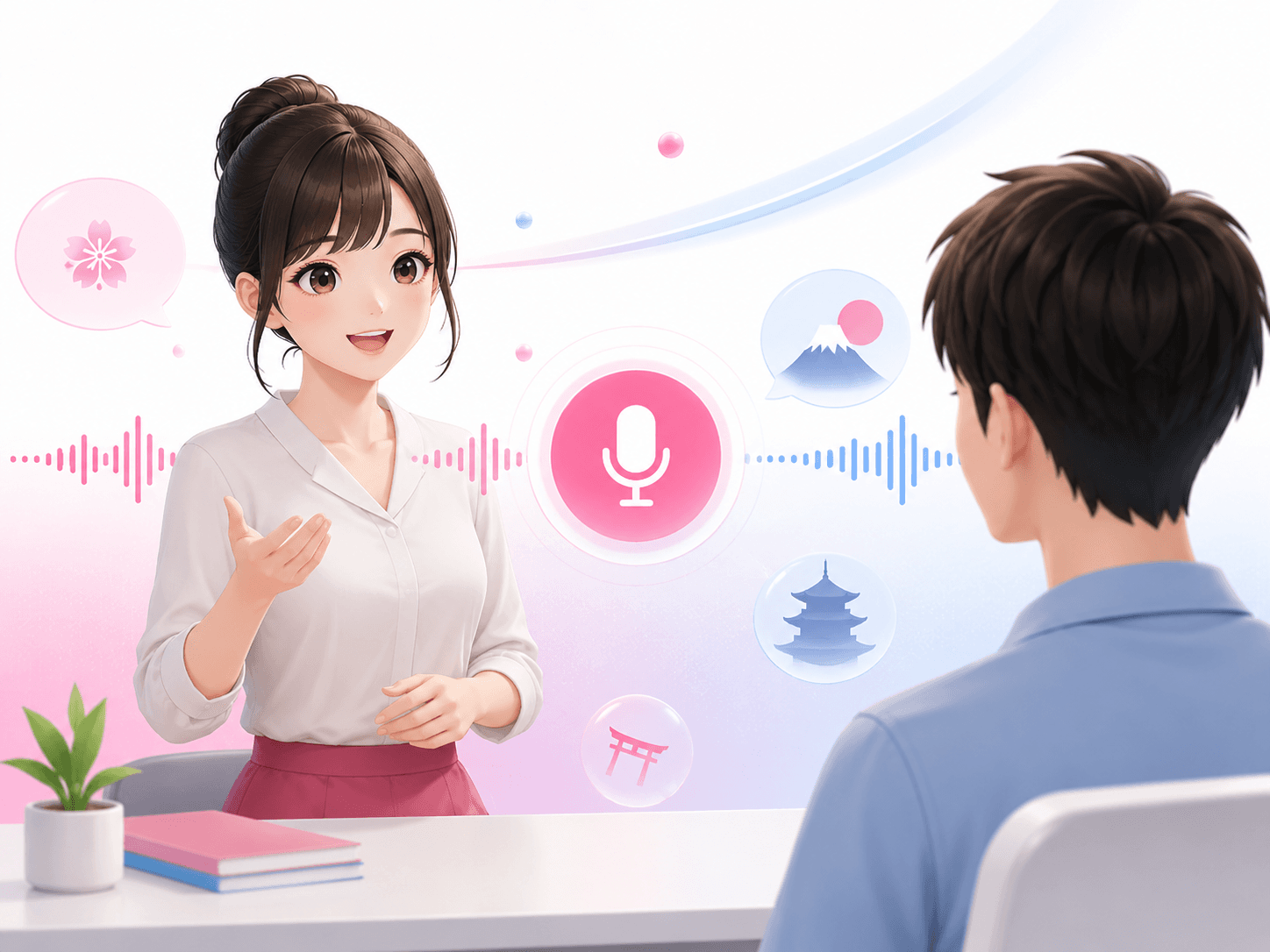
วิธีฝึกพูดภาษาญี่ปุ่นคนเดียว
การพูดคนเดียวจะได้ผลดีที่สุดเมื่อเป็นมากกว่าการเรียนเงียบๆ การตามล่าจังหวะเวลา การพูดคุยกับตัวเองช่วยให้สามารถเรียกค้นข้อมูลได้อย่างรวดเร็ว การบันทึกเผยให้เห็นนิสัย และการเล่นบทบาทสมมติช่วยเพิ่มจุดมุ่งหมาย คู่สนทนา AI สามารถเพิ่มการตอบสนองที่คาดเดาไม่ได้เมื่อคู่สนทนาที่เป็นมนุษย์ไม่พร้อมใช้งาน
บรรยายการกระทำและแผนง่ายๆ ออกมาดังๆ
ตอบหนึ่งข้อความเป็นเวลาหกสิบวินาทีโดยไม่ต้องอ่าน
บันทึกตัวเองและทำซ้ำเฉพาะประโยคที่อ่อนแอที่สุด
เสียงเนทีฟแบบสั้นสำหรับจังหวะเวลา ไม่ใช่แค่ความเร็ว
วิธีพัฒนาอย่างได้ผล
ใช้การวนซ้ำสิบนาที: การแชโดว์สองนาที การตอบกลับสามนาที การสวมบทบาทหรือการสนทนา AI สามนาที และสองนาทีเพื่อทบทวนการแก้ไขหนึ่งครั้ง คงธีมเดิมไว้หลายวันเพื่อให้ภาษาที่มีประโยชน์มีเวลากลายเป็นอัตโนมัติ
- 1
เลือกเป้าหมายที่ชัดเจนหนึ่งอย่าง
ให้แต่ละเซสชันมุ่งเน้นสถานการณ์หรือทักษะที่คุณนำไปใช้ได้จริง
- 2
ฝึกอย่างกระตือรือร้น
พูดคำตอบเต็มประโยคออกเสียง แทนที่จะเพียงอ่านหรือจำภาษาญี่ปุ่นได้
- 3
ทบทวนและทำซ้ำ
เก็บคำแก้ไขที่มีประโยชน์และฝึกทักษะเดิมซ้ำจนเป็นธรรมชาติ
คำถามที่พบบ่อย
ฉันสามารถพูดได้อย่างคล่องแคล่วโดยการฝึกพูดคนเดียวได้หรือไม่?
การฝึกเดี่ยวสามารถปรับปรุงการจดจำ การออกเสียง และความมั่นใจได้อย่างมาก แต่การมีปฏิสัมพันธ์กับผู้พูดที่เป็นมนุษย์ยังคงมีคุณค่าสำหรับความแตกต่างทางวัฒนธรรมและการสื่อสารอย่างแท้จริง
ฉันควรพูดอะไรเมื่อฝึกซ้อมคนเดียว?
บรรยายวันของคุณ อธิบายความคิดเห็น เล่าเรื่องสั้น ซ้อมสถานการณ์ที่กำลังจะเกิดขึ้น หรือตอบบทสนทนาในระดับที่เหมาะสม
เรียนรู้ต่อ
เปลี่ยนความรู้ภาษาญี่ปุ่นให้เป็นความมั่นใจในการพูด
ฝึกฝนกับอาจารย์ AI ของ Unihongo ในห้องเรียน 3 มิติที่สมจริง พร้อมด้วยภารกิจสวมบทบาท การฝึกสอนการออกเสียง ความคิดเห็นที่เป็นประโยชน์ และเกมการเรียนรู้ที่สร้างคำศัพท์ของคุณในขณะที่คุณเล่น