
ဂျပန်အသံထွက် လေ့ကျင့်မှုလမ်းညွှန်
ပြောသော ဂျပန်စာကို ပိုနားလည်လွယ်စေမည့် အသံကွာခြားချက်နှင့် စည်းချက်ကို လေ့ကျင့်ပါ
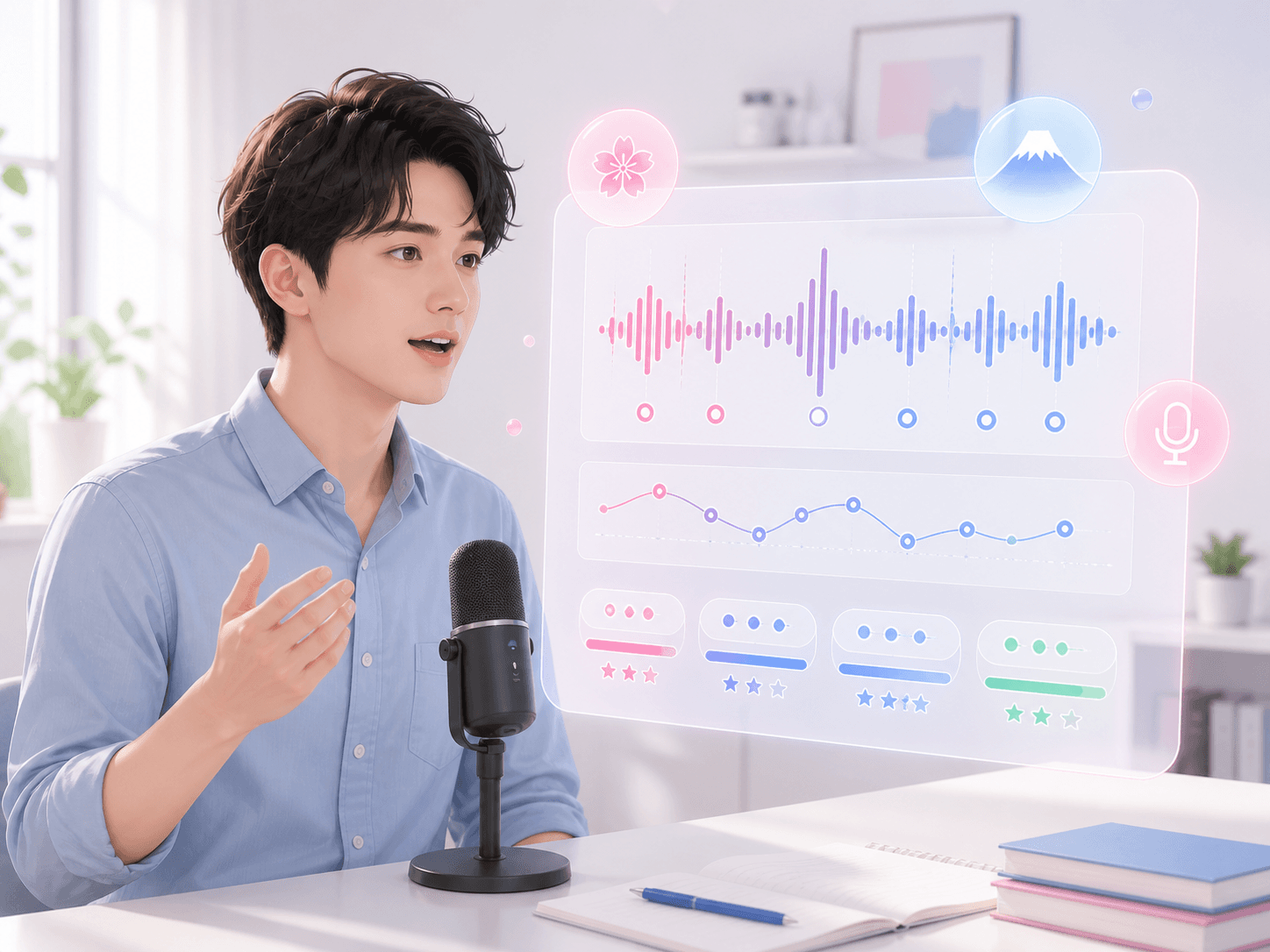
ဂျပန်အသံထွက် လေ့ကျင့်မှုလမ်းညွှန်
ရှင်းရှင်းလင်းလင်း ဂျပန်အသံထွက်သည် တစ်ဦးချင်း အသံများကို ကူးယူခြင်းထက် ပိုမူတည်ပါသည်။ Mora အချိန်၊ သရအလျား၊ ဗျည်းနှစ်ဆနှင့် သဘာဝရစ်သမ်တို့သည် အဓိပ္ပါယ် သို့မဟုတ် ဉာဏ်ရည်ဉာဏ်သွေးကို ပြောင်းလဲနိုင်သည်။ သင်ယူသူများသည် ပြီးပြည့်စုံမှုကိုမလိုက်မီ ရှင်းလင်းပြတ်သားမှုနှင့် အချိန်ကို ဦးစားပေးသင့်သော်လည်း Pitch လေယူလေသိမ်းသည် စကားလုံးများ၏အသံကို ပုံဖော်ပေးသည်။
ဝဏ္ဏတိုင်းကို တန်းတူရည်တူ ဆက်ဆံတာထက် မိုရာကို ရေတွက်ပါ။
အဓိပ္ပါယ်ရှိသော အတွဲများတွင် သရအတိုနှင့် အရှည် ဆန့်ကျင်ဘက်
နောက်ဗျည်းရှေ့တွင် っ ငယ်အတွက် ရိုက်ချက်ချန်ထားပါ။
သီးခြားအင်္ဂါရပ်တစ်ခုကို မှတ်တမ်းတင်၊ နှိုင်းယှဉ်ပြီး ထပ်လုပ်ပါ။
တိုးတက်ဖို့ လက်တွေ့နည်းလမ်း
ပစ်မှတ်အင်္ဂါရပ်တစ်ခုပါ ၀ င်သည့်တိုတောင်းသောစာကြောင်းငါးကြောင်းကိုရွေးချယ်ပါ။ တစ်ကြိမ် နားထောင်ပါ၊ အချိန်ကို အမှတ်အသားပြုပါ၊ သင့်ကိုယ်သင် မှတ်တမ်းတင်ပြီး နှိုင်းယှဉ်ပါ။ ပြောင်းလဲသွားတဲ့ အပိုင်းကိုသာ ပြန်လုပ်ပါ။ Unihongo ၏ အသံထွက်ဓာတ်ခွဲခန်းသည် လိုင်းသစ်များကို ဖန်တီးနိုင်ပြီး နောက်ထပ်ကြိုးစားမှု လိုအပ်သည့် ဧရိယာများကို မီးမောင်းထိုးပြနိုင်သည်။
- 1
ရှင်းလင်းသော ရည်မှန်းချက်တစ်ခု ရွေးပါ
သင်တကယ်အသုံးချနိုင်သော အခြေအနေ သို့မဟုတ် ကျွမ်းကျင်မှုတစ်ခုကို အစည်းအဝေးတိုင်းတွင် အာရုံစိုက်ပါ
- 2
တက်ကြွစွာ လေ့ကျင့်ပါ
ဂျပန်စာကို ဖတ်ရုံ သို့မဟုတ် မှတ်မိရုံအစား စာကြောင်းပြည့်ဖြင့် အသံထွက်ပြောပါ
- 3
ပြန်လည်သုံးသပ်ပြီး ထပ်လုပ်ပါ
အသုံးဝင်သော ပြင်ဆင်ချက်များကို သိမ်းထားပြီး သဘာဝကျလာသည်အထိ ထိုကျွမ်းကျင်မှုကို ထပ်လေ့ကျင့်ပါ
မေးလေ့ရှိသော မေးခွန်းများ
ပြီးပြည့်စုံသော အသံထွက် လေယူလေသိမ်း လိုအပ်ပါသလား။
အမှတ်အသားပြုသော လေယူလေသိမ်းသည် အသုံးဝင်သော်လည်း နားလည်နိုင်သော အသံများ၊ သရအလျားနှင့် ရစ်သမ်များသည် များသောအားဖြင့် သင်ယူသူများအတွက် ပို၍အရေးတကြီးဖြစ်သည်။
ဂျပန်လို သရအရှည်တွေက ဘာကြောင့် အရေးပါတာလဲ။
သရအလျားသည် စကားလုံးများကို ပိုင်းခြားနိုင်ပြီး ဂျပန်အချိန်ကို အကျိုးသက်ရောက်နိုင်သောကြောင့် သရအရှည်ကို အတိုချုံ့ခြင်းဖြင့် နားထောင်သူများကြားသည့်အရာကို ပြောင်းလဲနိုင်သည်။
ဆက်လက်လေ့လာပါ
ဂျပန်ဘာသာအသိပညာကို ပြောဆိုနိုင်သော ယုံကြည်မှုအဖြစ် ပြောင်းလဲပါ
Roleplay မစ်ရှင်များ၊ အသံထွက်လေ့ကျင့်မှု၊ အသုံးဝင်သောအကြံပြုချက်များနှင့် သင်ကစားနေစဉ်တွင် သင့်ဝေါဟာရကိုဖန်တီးပေးသည့် ဂိမ်းများပါရှိသော နစ်မြုပ်နေသော 3D စာသင်ခန်းတွင် Unihongo ၏ AI Sensei နှင့် လေ့ကျင့်ပါ။