
Cara Berlatih Berbicara Bahasa Jepang Sendiri
Anda dapat membangun kemampuan berbicara yang sebenarnya sendirian ketika latihan mengharuskan Anda membuat, mengucapkan, mendengar, dan meningkatkan kemampuan bahasa Jepang Anda sendiri.
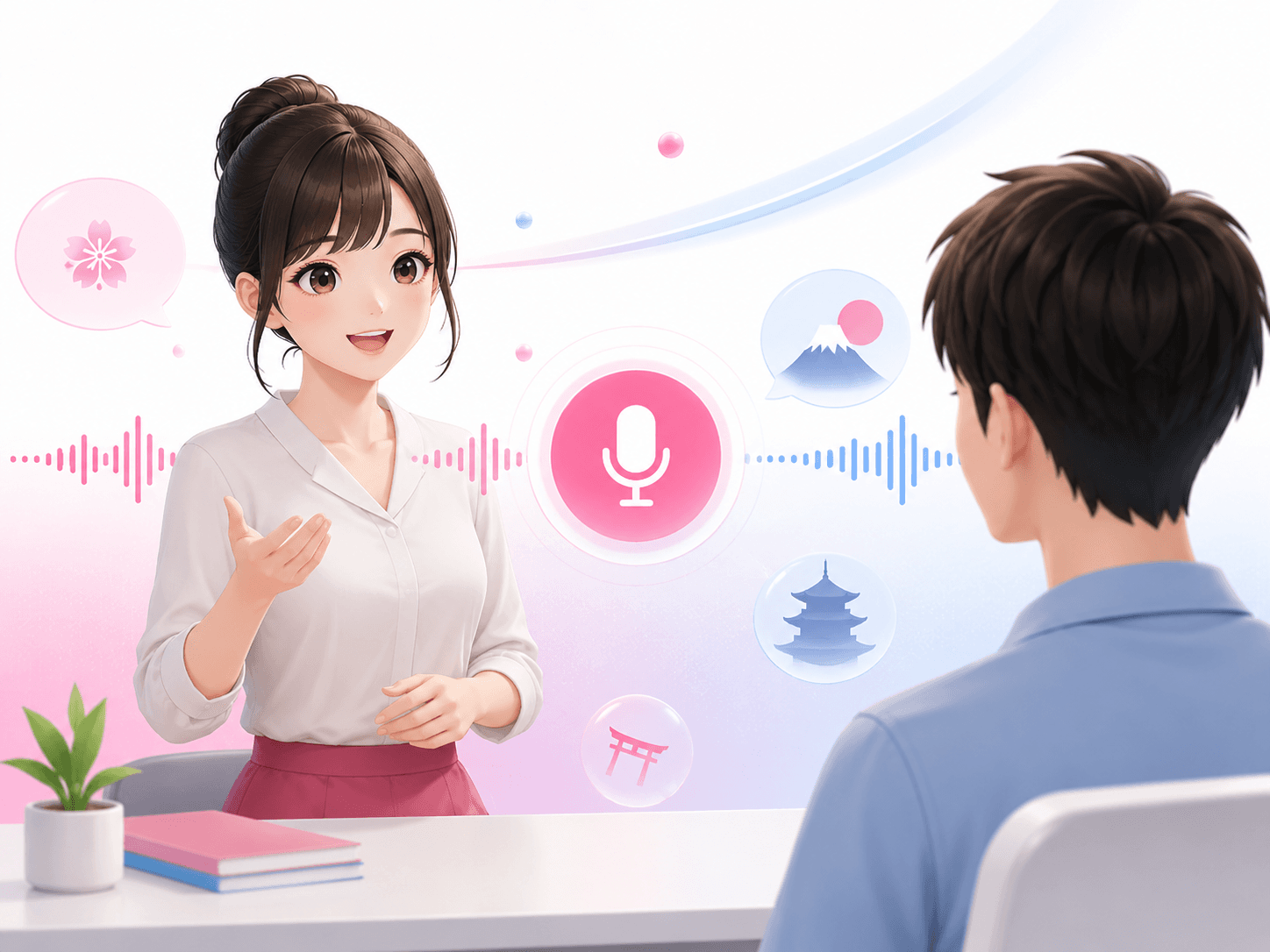
Cara Berlatih Berbicara Bahasa Jepang Sendiri
Berbicara sendiri akan lebih efektif jika dilakukan lebih dari sekadar belajar diam. Membayangi waktu kereta, self-talk membangun pengambilan cepat, rekaman mengungkapkan kebiasaan, dan permainan peran menambah tujuan. Mitra percakapan AI dapat menambahkan respons yang tidak terduga ketika mitra manusia tidak tersedia.
Ceritakan tindakan dan rencana sederhana dengan lantang
Jawab satu pertanyaan selama enam puluh detik tanpa membaca
Rekam diri Anda dan ulangi hanya kalimat yang paling lemah
Bayangkan audio asli pendek untuk pengaturan waktu, bukan hanya kecepatan
Cara praktis untuk berkembang
Gunakan putaran sepuluh menit: dua menit membayangi, tiga menit menjawab perintah, tiga menit permainan peran atau percakapan AI, dan dua menit meninjau satu koreksi. Pertahankan tema yang sama selama beberapa hari sehingga bahasa yang berguna mempunyai waktu untuk menjadi otomatis.
- 1
Pilih satu tujuan yang jelas
Fokuskan setiap sesi pada satu situasi atau keterampilan yang benar-benar dapat Anda gunakan.
- 2
Berlatih secara aktif
Ucapkan jawaban lengkap dengan keras, bukan hanya membaca atau mengenali bahasa Jepang.
- 3
Tinjau dan ulangi
Simpan koreksi yang berguna dan ulangi keterampilan yang sama sampai terasa alami.
Pertanyaan yang sering diajukan
Bisakah saya menjadi fasih hanya dengan berlatih berbicara?
Latihan solo dapat sangat meningkatkan pengambilan, pengucapan, dan kepercayaan diri, namun interaksi dengan pembicara manusia tetap berharga untuk nuansa budaya dan komunikasi yang tulus.
Apa yang harus saya bicarakan saat berlatih sendiri?
Jelaskan hari Anda, jelaskan pendapat, ceritakan kembali cerita pendek, latih situasi yang akan datang, atau jawab petunjuk percakapan yang sesuai tingkat.
Lanjut belajar
Ubah pengetahuan bahasa Jepang menjadi kepercayaan diri berbicara
Berlatihlah dengan AI Sensei Unihongo di ruang kelas 3D yang imersif, dengan misi permainan peran, pelatihan pengucapan, umpan balik yang berguna, dan permainan pembelajaran yang membangun kosa kata Anda saat bermain.